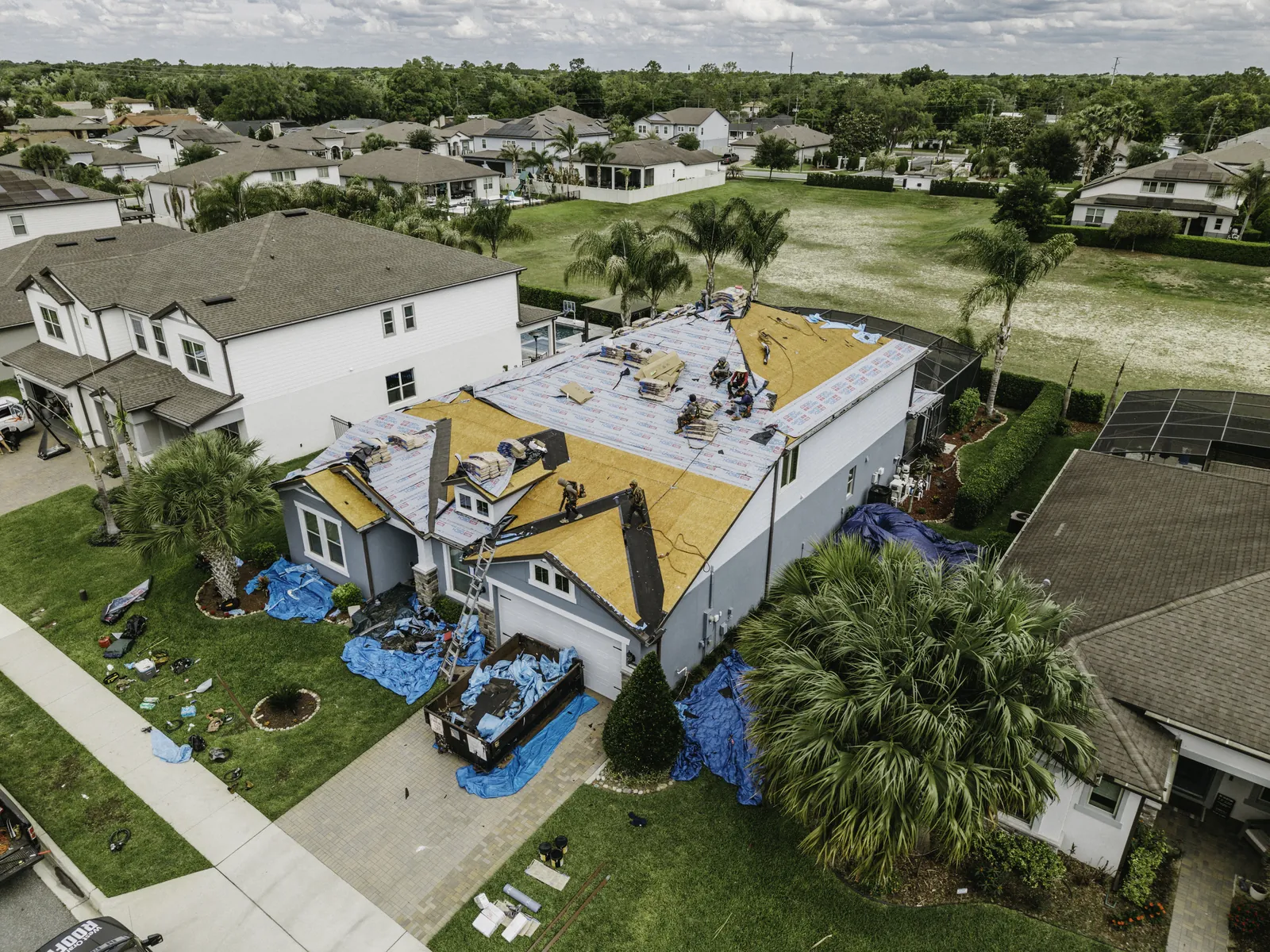
Residential Roofing
A useful estimate separates the roof size and shape, material choice, access, deck repairs, disposal, permitting, and code-related work instead of quoting a single statewide number.
Read How Much Does a Roof Replacement Cost in Florida in 2026?
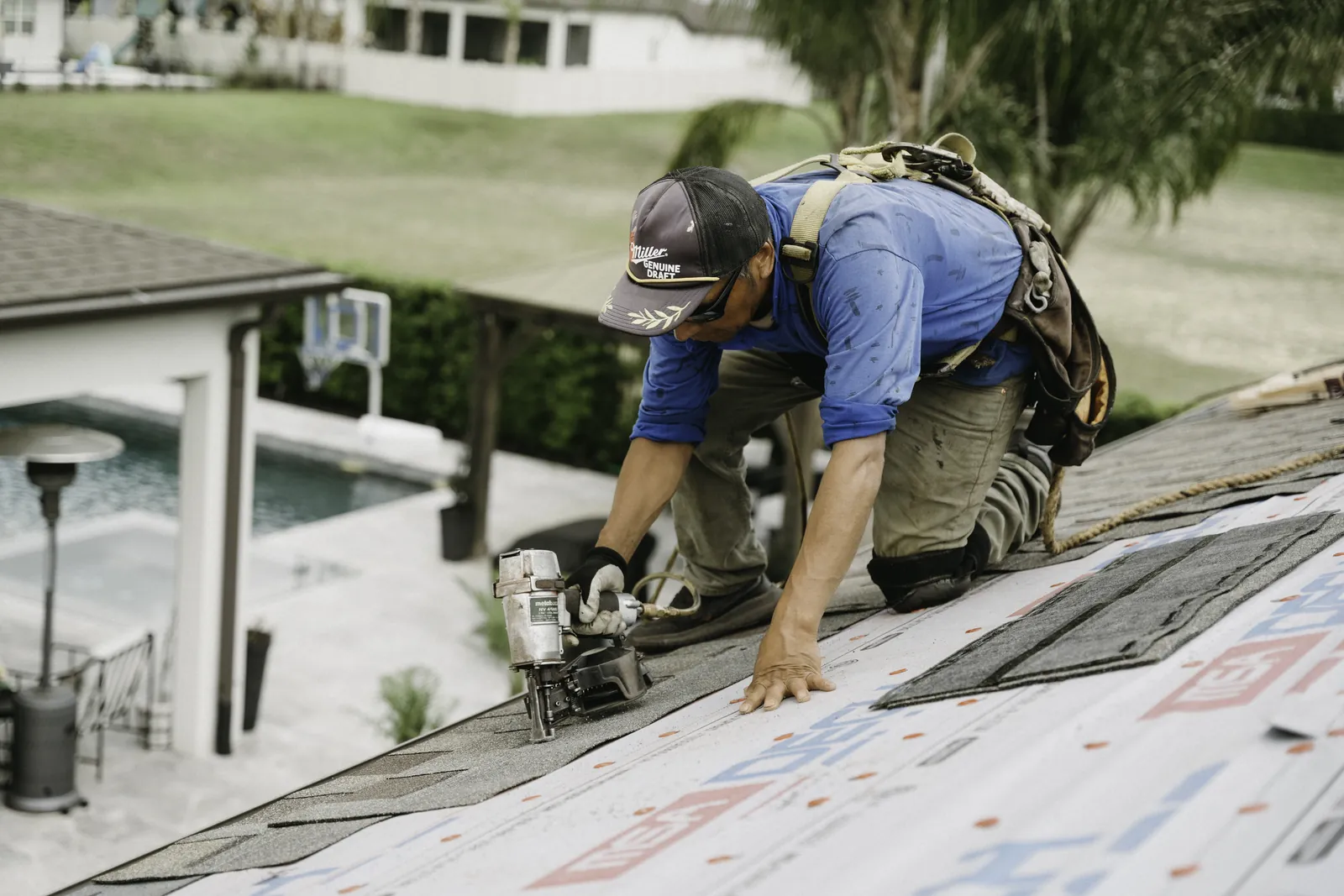
Roof Repair & Leaks
The decision turns on whether the problem is isolated, whether the surrounding roof still has meaningful life, and whether repeated patching is becoming the more expensive path.
Read Roof Repair vs. Roof Replacement: How Do You Know Which You Need?
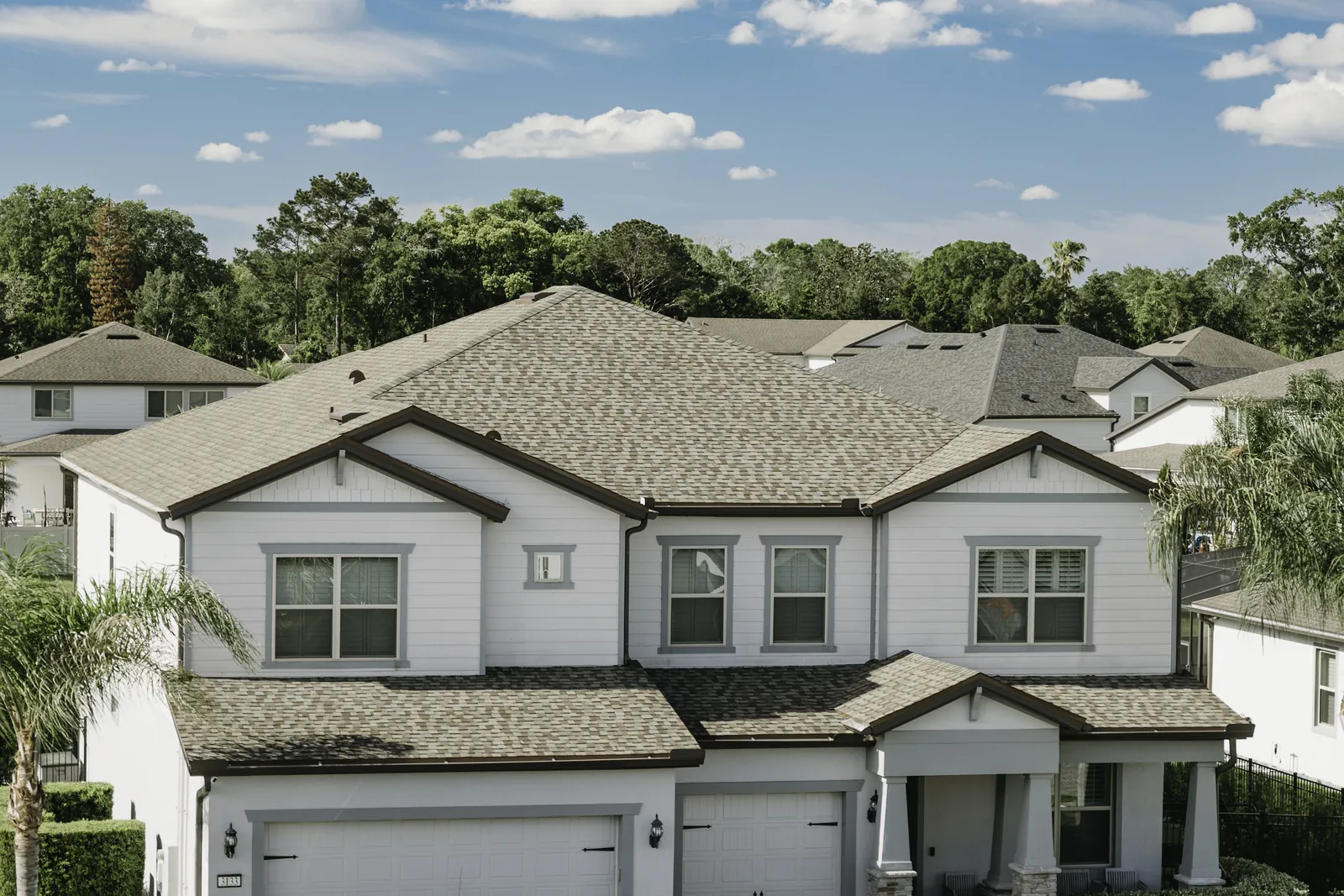
Residential Roofing
Florida heat, humidity, wind, rain, installation quality, ventilation, and maintenance all influence service life, so age is a starting point rather than a verdict.
Read How Long Does a Roof Last in Florida?
Roof Repair & Leaks
Repair scope matters more than a quick price range: finding the entry point, reaching it safely, replacing failed components, and correcting hidden moisture issues can change the work.
Read How Much Does Roof Repair Cost in Central Florida?
Residential Roofing
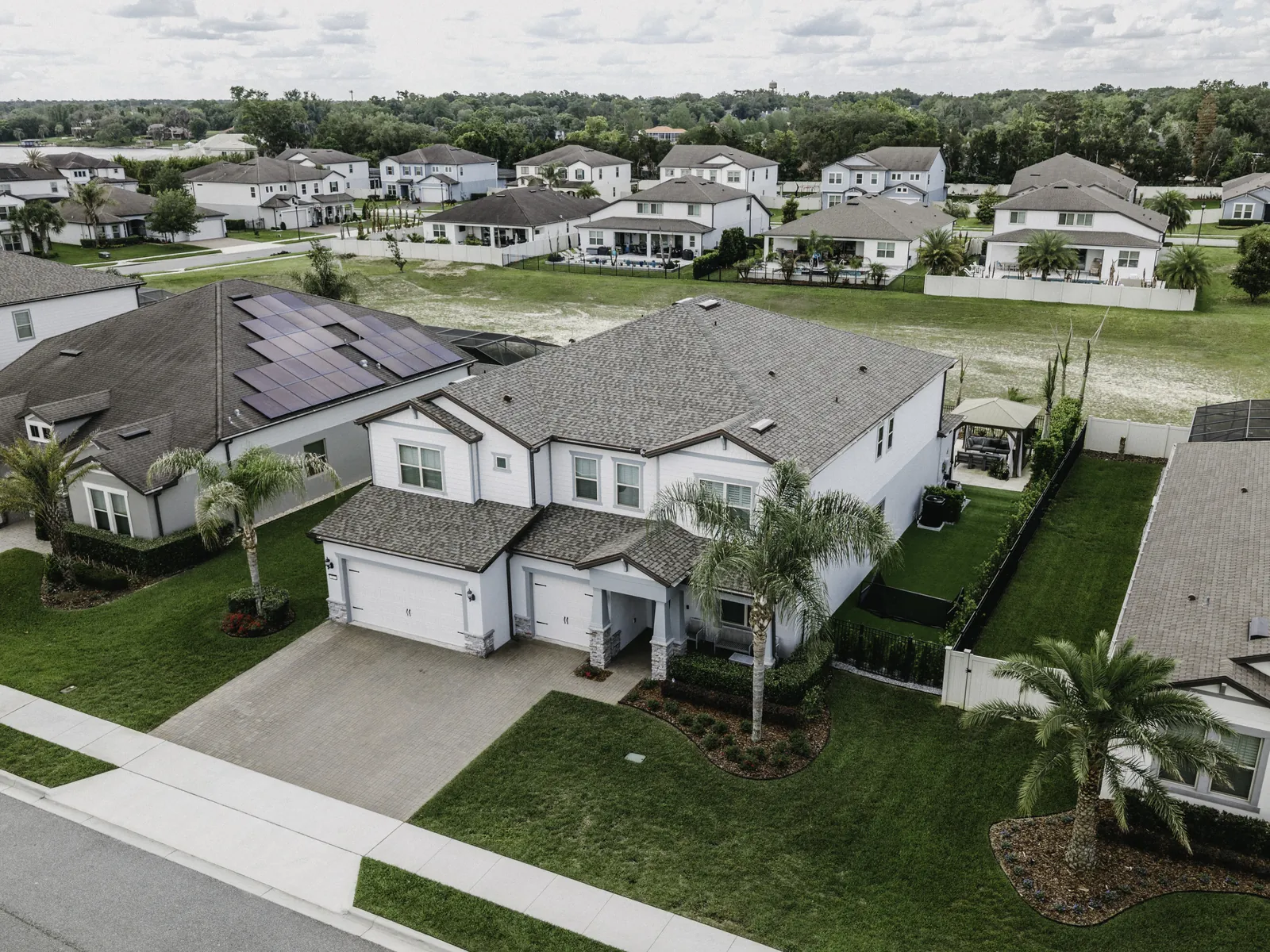
Visible wear, recurring leaks, shingle loss, granules, flashing concerns, sagging, and a roof near the end of its useful life all merit a documented inspection—not an assumption.
Read 10 Signs You May Need a New Roof
Residential Roofing
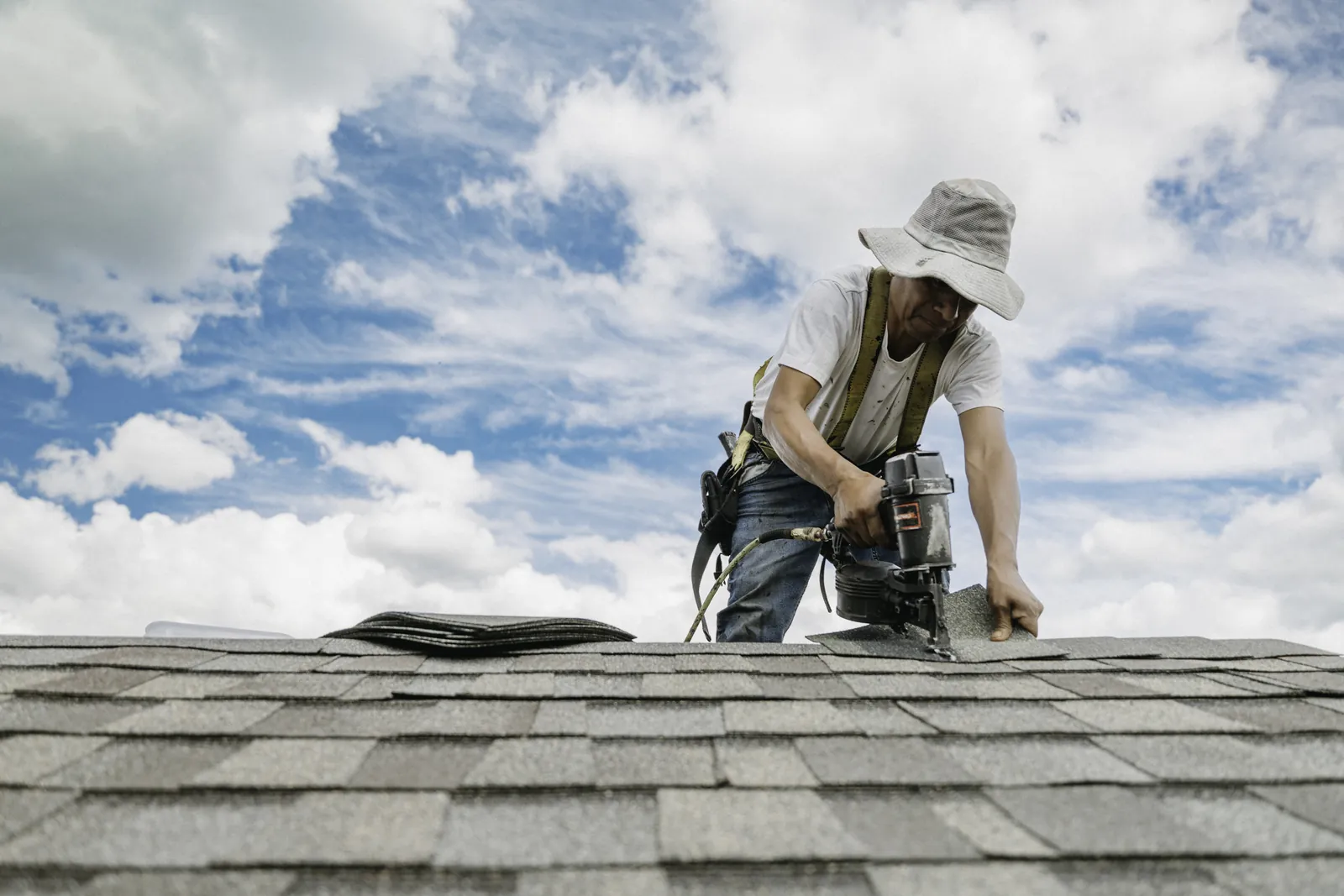
A planned inspection gives homeowners a baseline before a leak or major storm forces a rushed decision, especially in a climate with intense sun and seasonal rain.
Read How Often Should You Have Your Roof Inspected in Florida?
Residential Roofing
A professional should look at visible materials, penetrations, flashing, drainage, roof edges, accessible attic conditions, and repair history before explaining the next step.
Read What Happens During a Professional Roof Inspection?
Residential Roofing
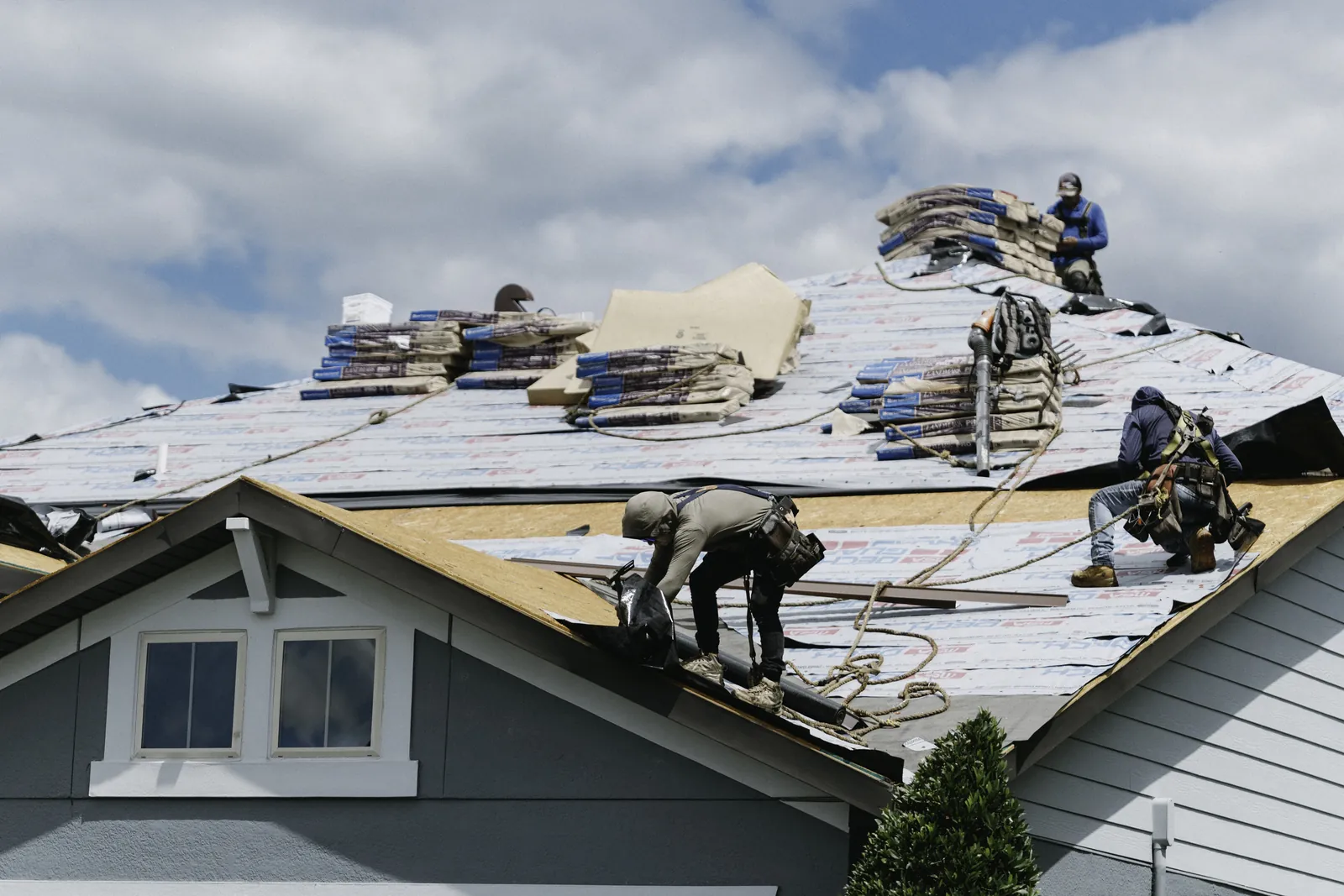
Schedule depends on roof complexity, weather, material delivery, deck conditions discovered after tear-off, and the work needed at valleys, walls, and penetrations.
Read How Long Does It Take to Replace a Roof?
Residential Roofing
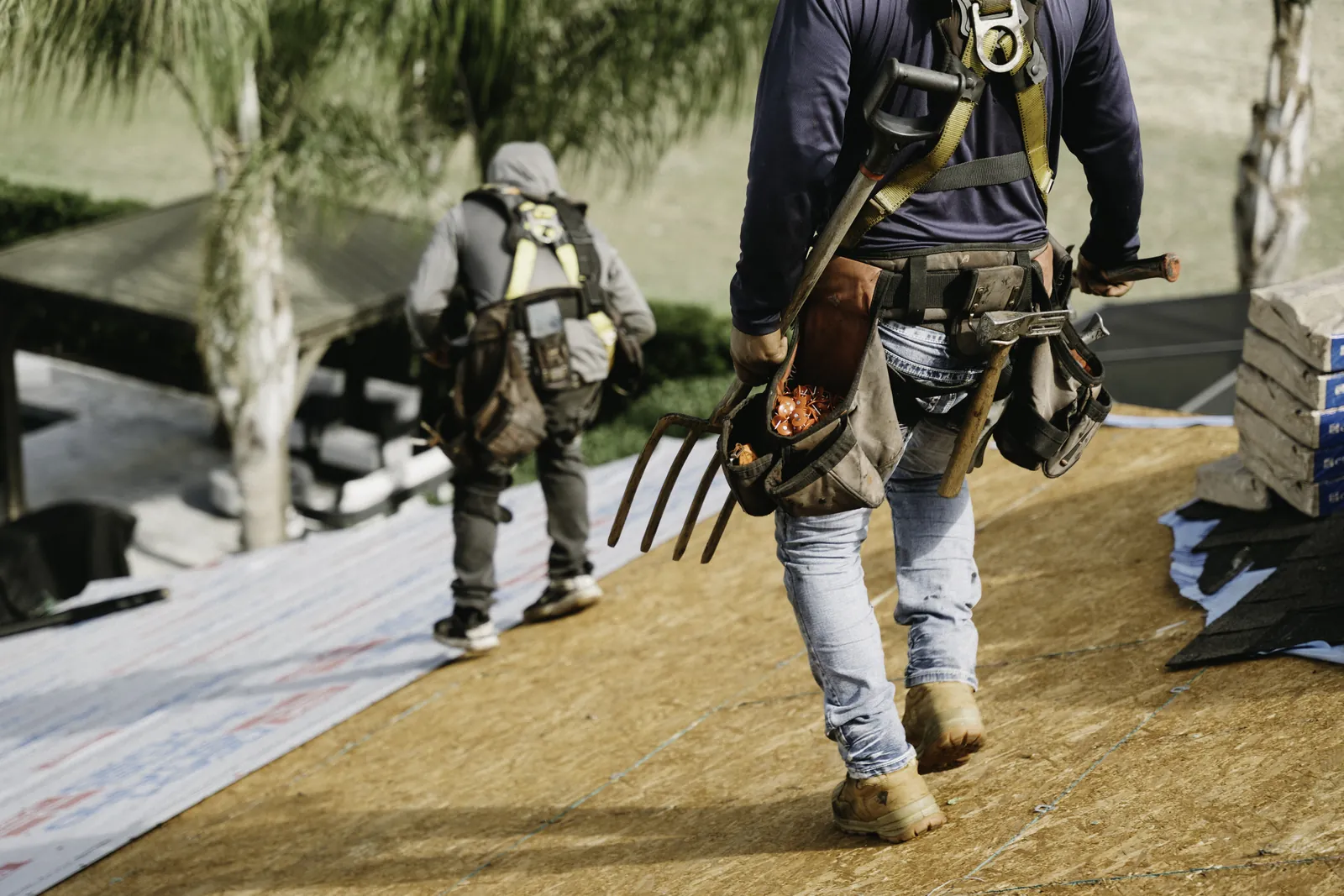
Many households can remain home, but noise, vibration, driveway access, pets, remote-work needs, and anyone sensitive to disruption should shape the plan before work begins.
Read Can You Stay in Your House During a Roof Replacement?
Residential Roofing
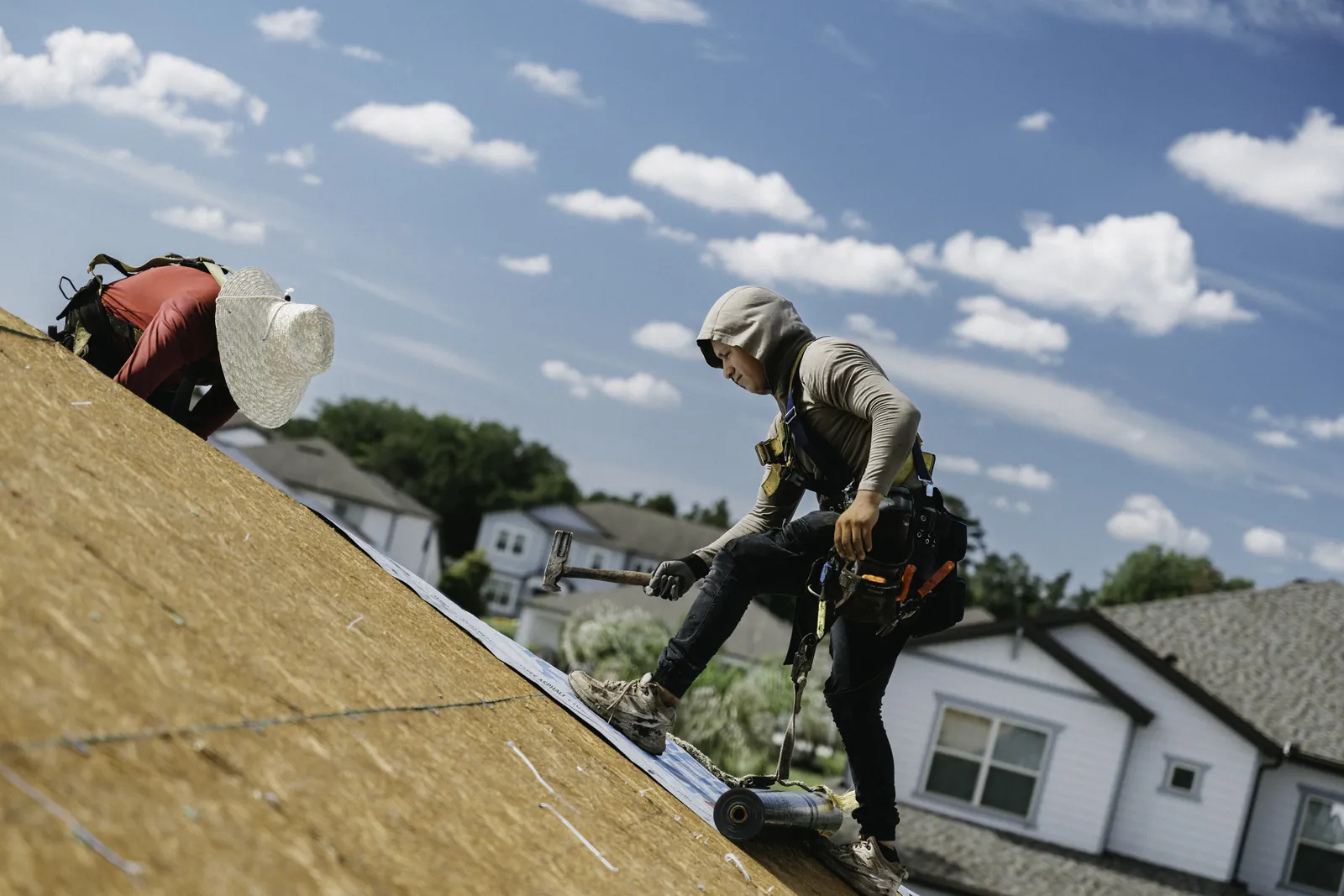
A calm replacement day starts with clear access, protection around the work area, communication about the plan, and an understanding that the crew may uncover conditions requiring discussion.
Read What Should You Expect on Roof Replacement Day?
Materials & Warranties
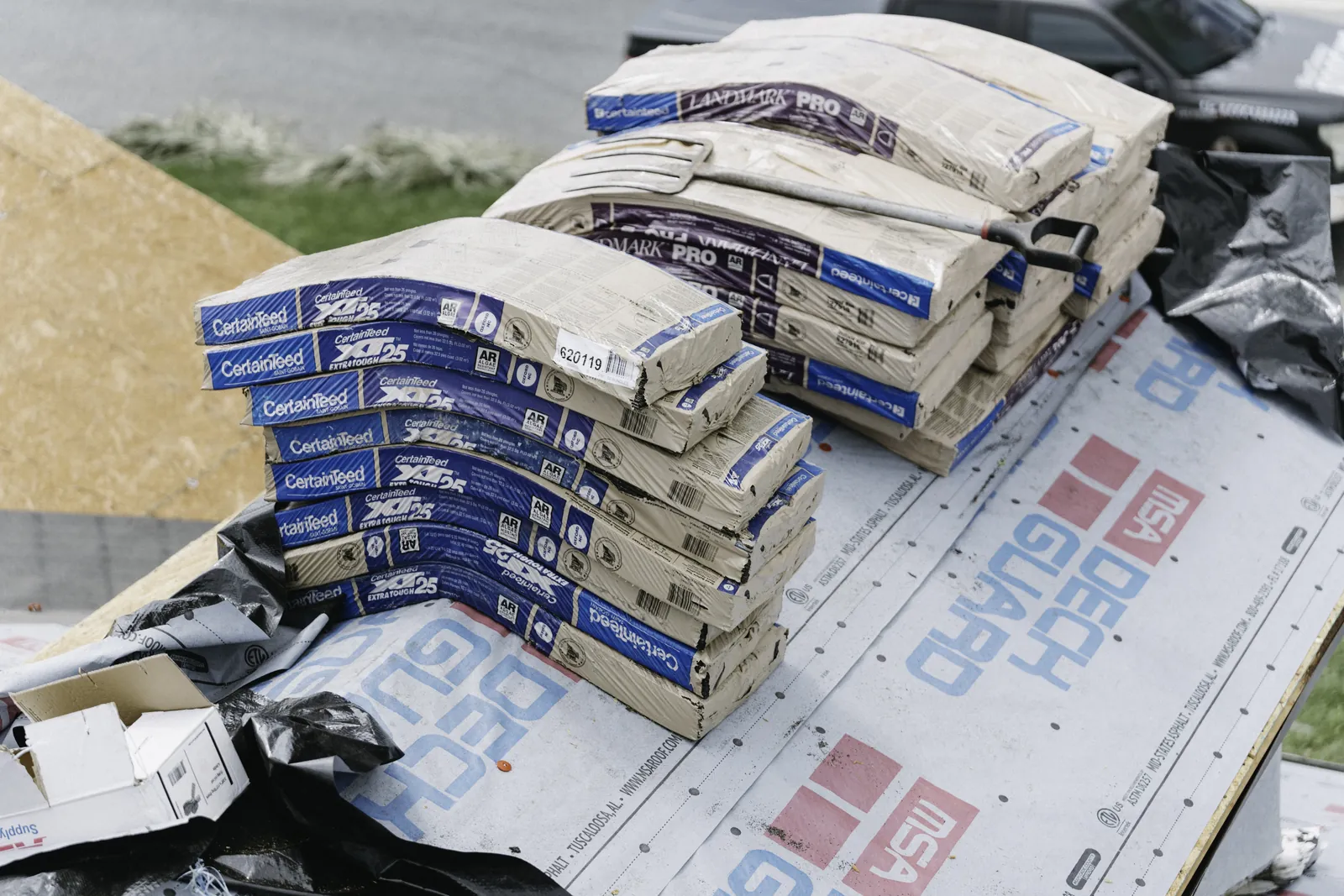
There is no universal best material. A sensible choice balances roof design, budget, structural considerations, appearance, maintenance expectations, and the documented performance of the selected assembly.
Read What Is the Best Roofing Material for Florida Homes?
Materials & Warranties
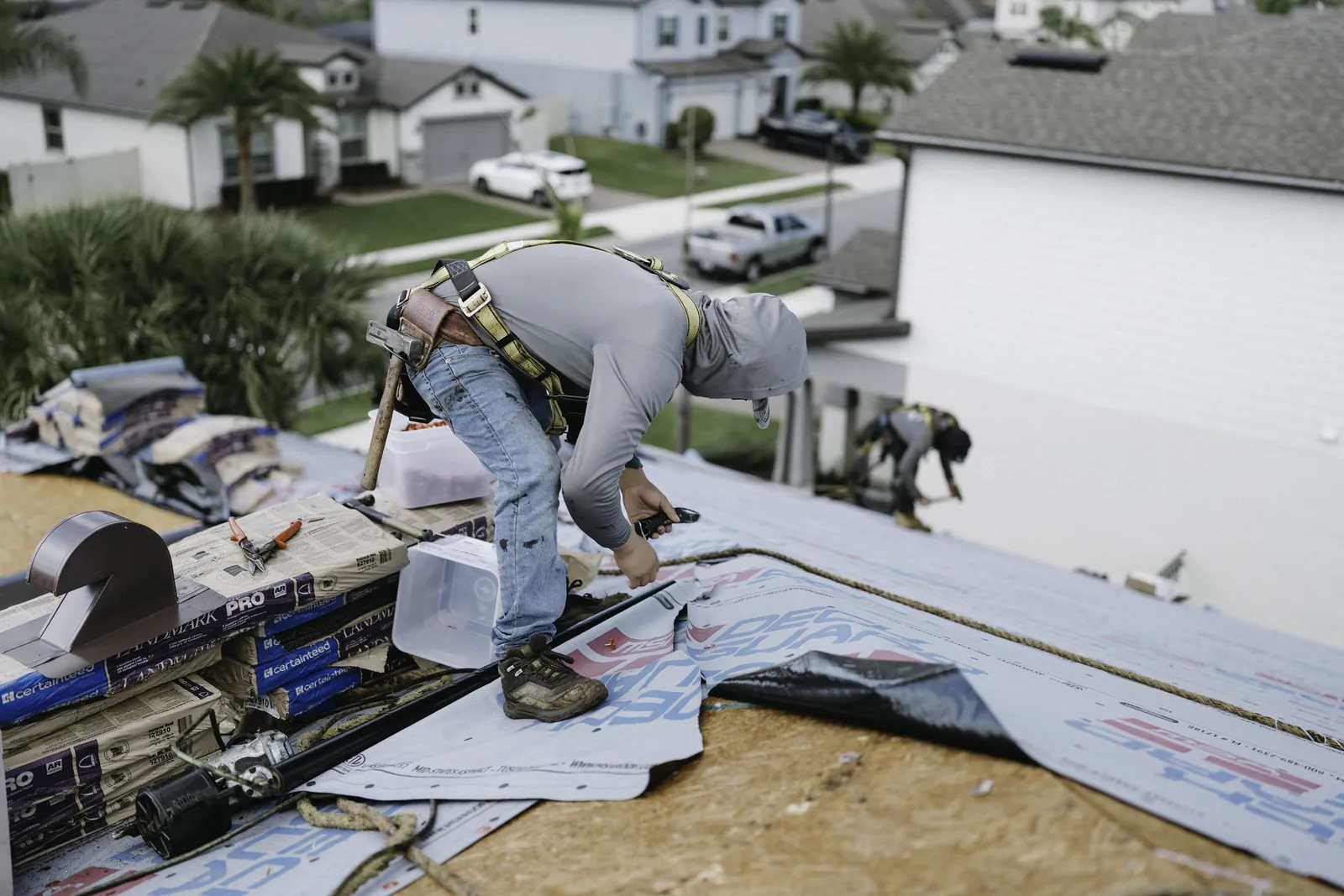
Metal and architectural shingles can both be appropriate; compare the full assembly, installation details, upkeep, appearance, and the way each material fits the home rather than just the headline price.
Read Metal Roof vs. Shingles in Florida: Which Is Better?
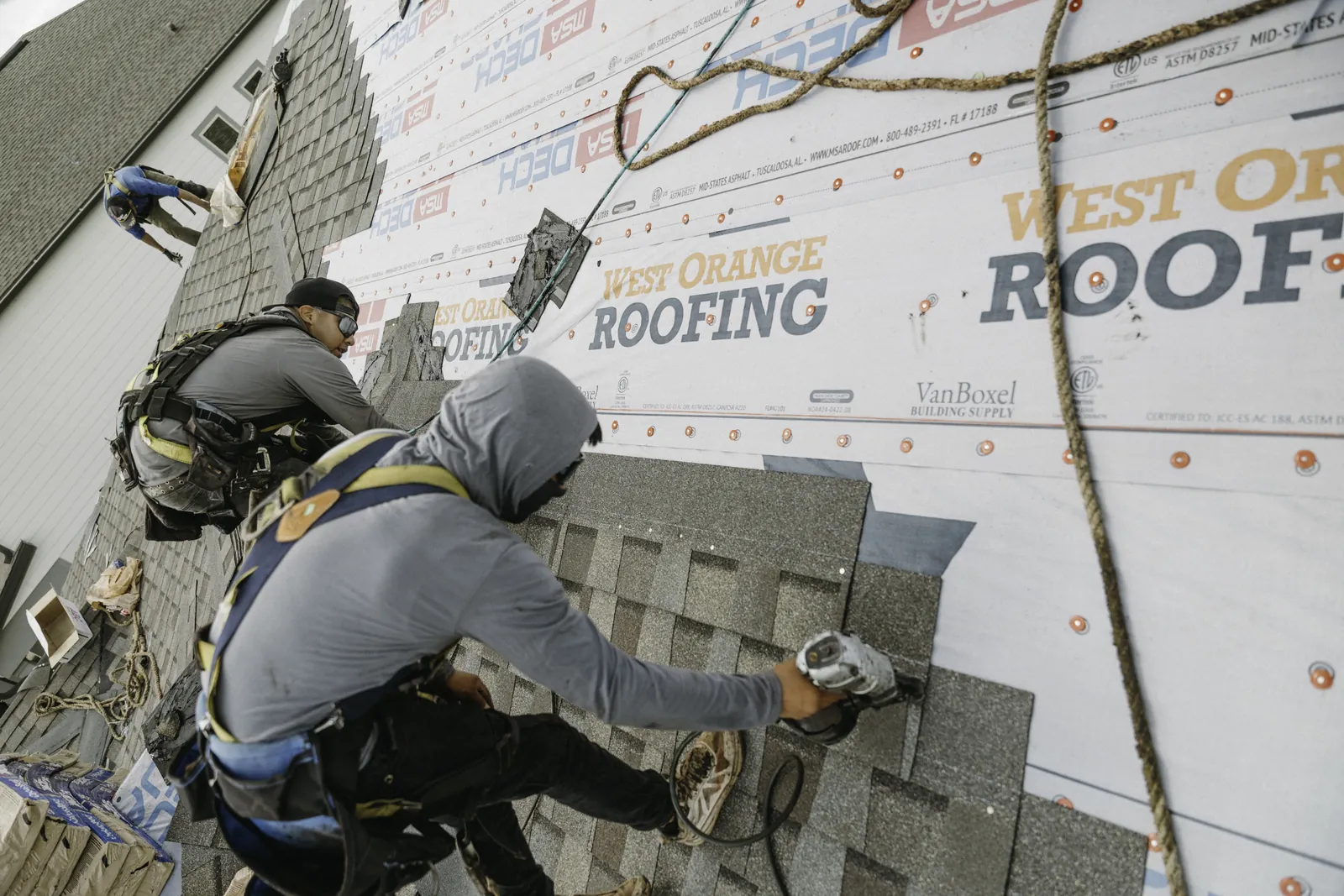
Materials & Warranties
The products differ in construction, profile, visual depth, and available options. The specific product documentation and installation instructions are more helpful than broad labels alone.
Read Architectural Shingles vs. 3-Tab Shingles: What Is the Difference?
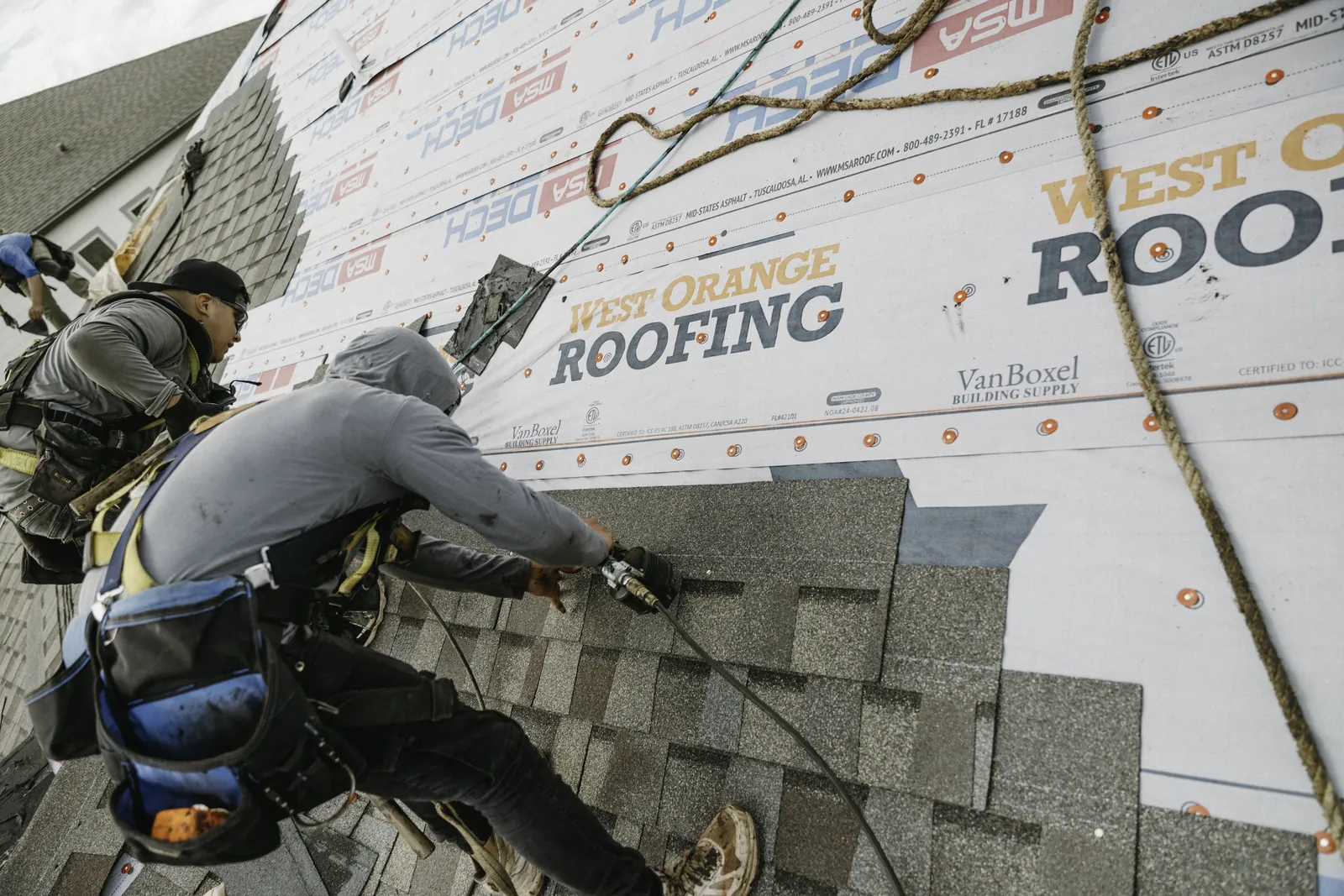
Materials & Warranties
Tile and shingle roofs ask different things of the structure, budget, maintenance plan, and design. A roof evaluation should address the home itself before changing materials.
Read Tile Roof vs. Shingle Roof: Which Is Better for Florida?
Materials & Warranties
A metal-roof proposal should spell out the panel profile, underlayment, flashings, penetrations, removal, deck work, and warranty documents so homeowners can compare scope rather than a single total.
Read Metal Roofing Costs in Florida: Is It Worth the Investment?
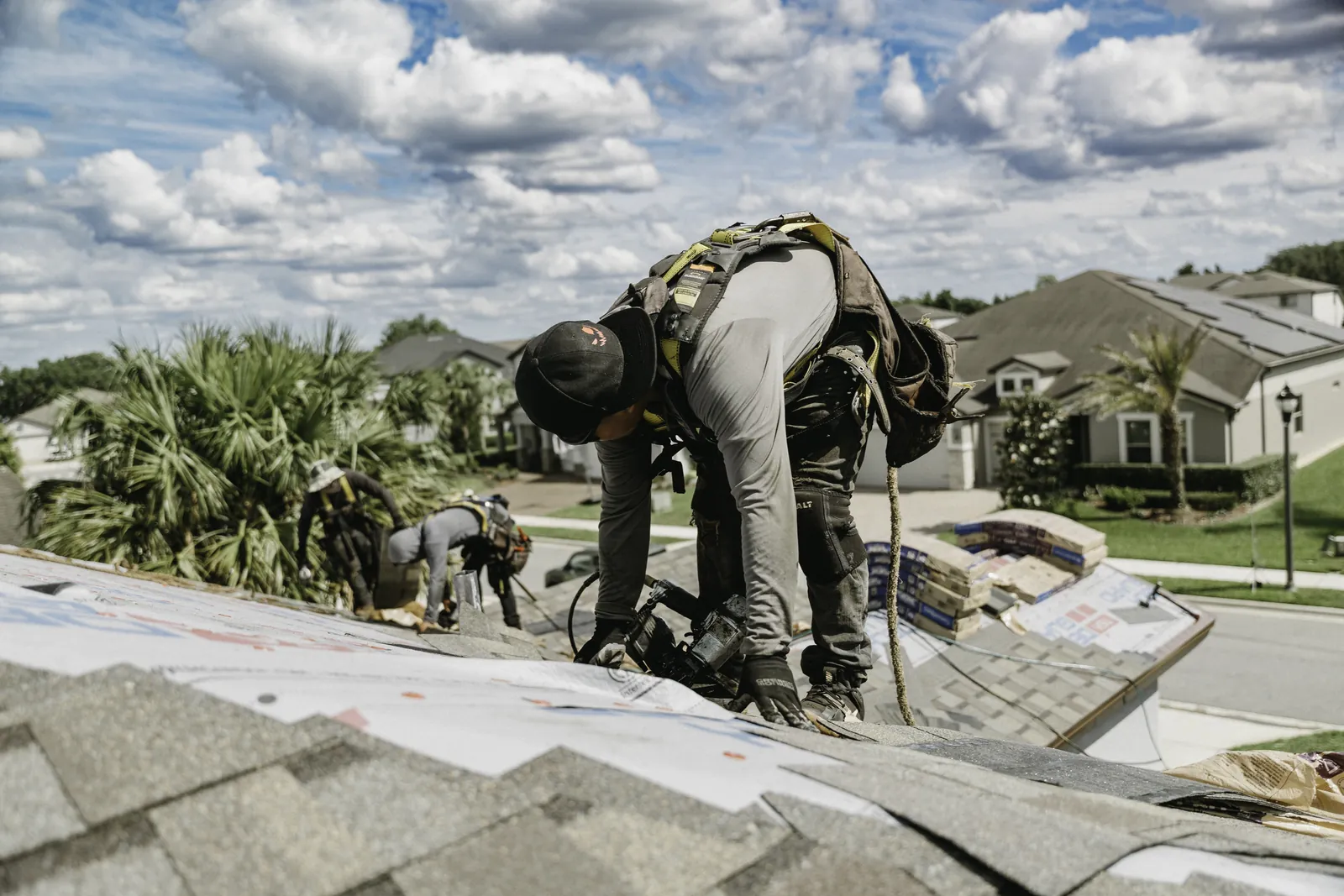
Materials & Warranties
Durability belongs to an installed system, not a label. Material selection, fastening, flashing, ventilation, drainage, maintenance, and the home’s exposure work together.
Read What Are the Most Durable Roofing Materials for Florida Weather?
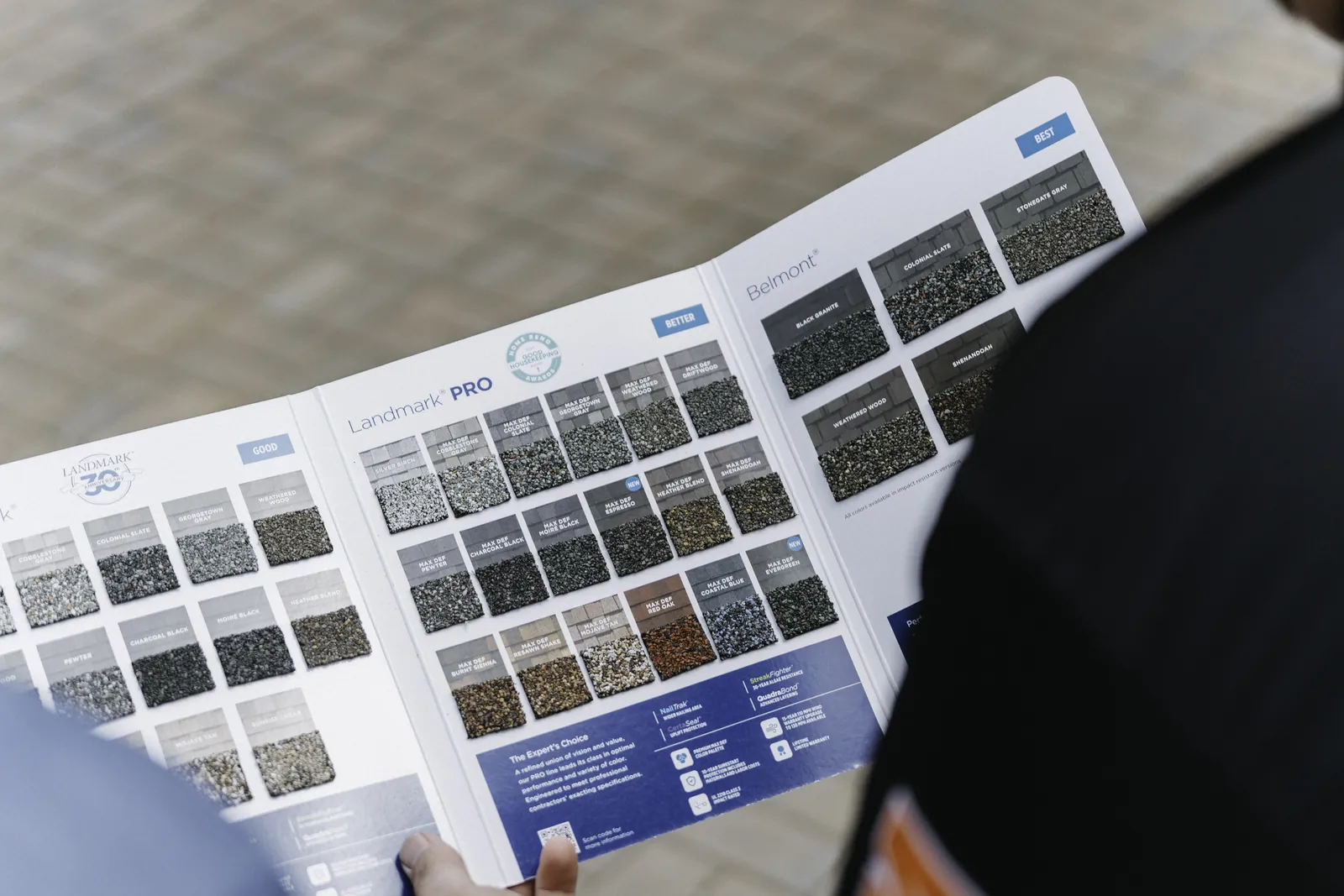
Materials & Warranties
Color should complement the exterior and neighborhood context while considering heat, fading expectations, available product lines, and how samples look outside at different times of day.
Read What Roof Color Is Best for a Florida Home?
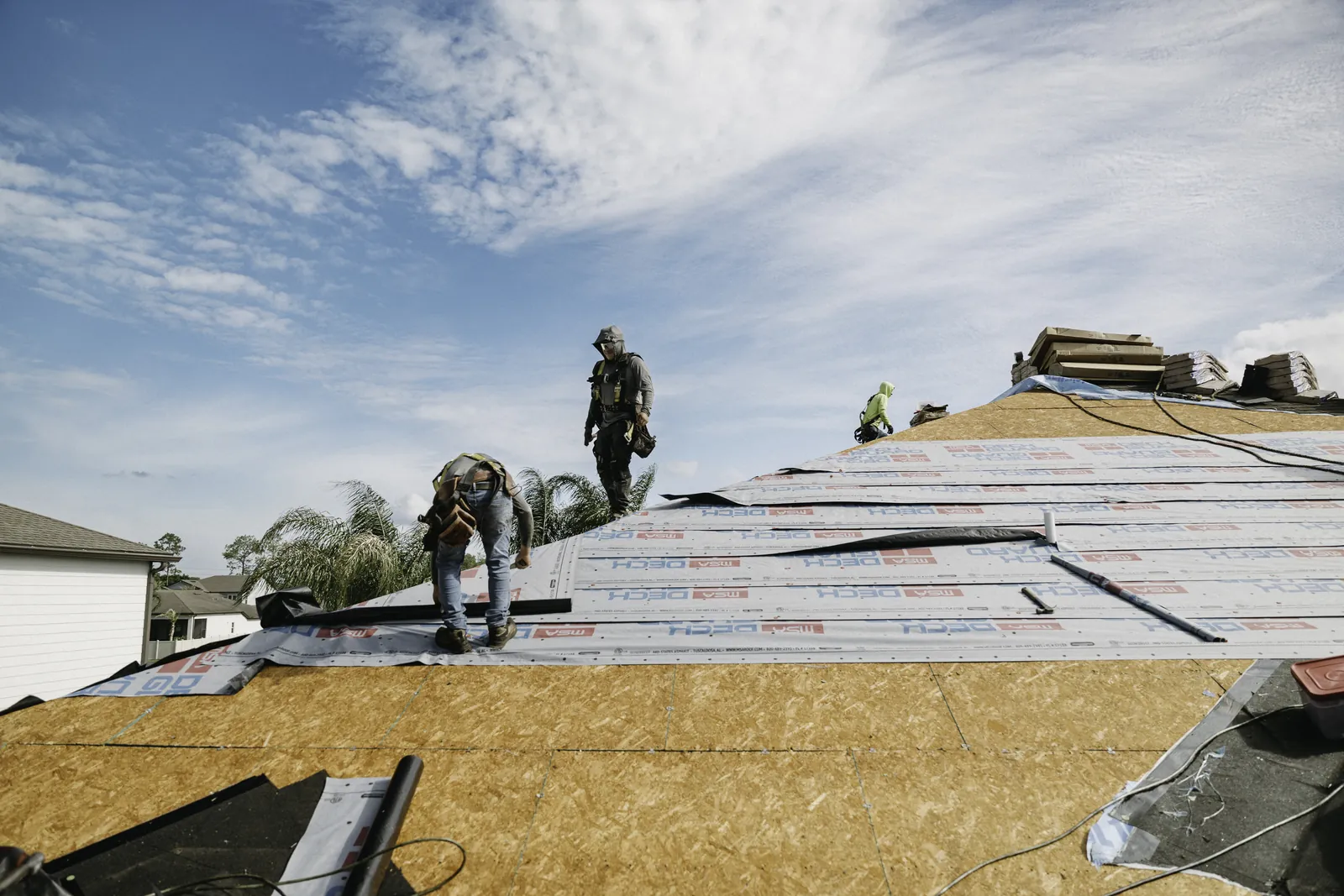
Materials & Warranties
Heat and humidity make attic ventilation, moisture management, underlayment, drainage, and installation details as important as the visible roof covering.
Read What Type of Roof Is Best for Florida Heat and Humidity?
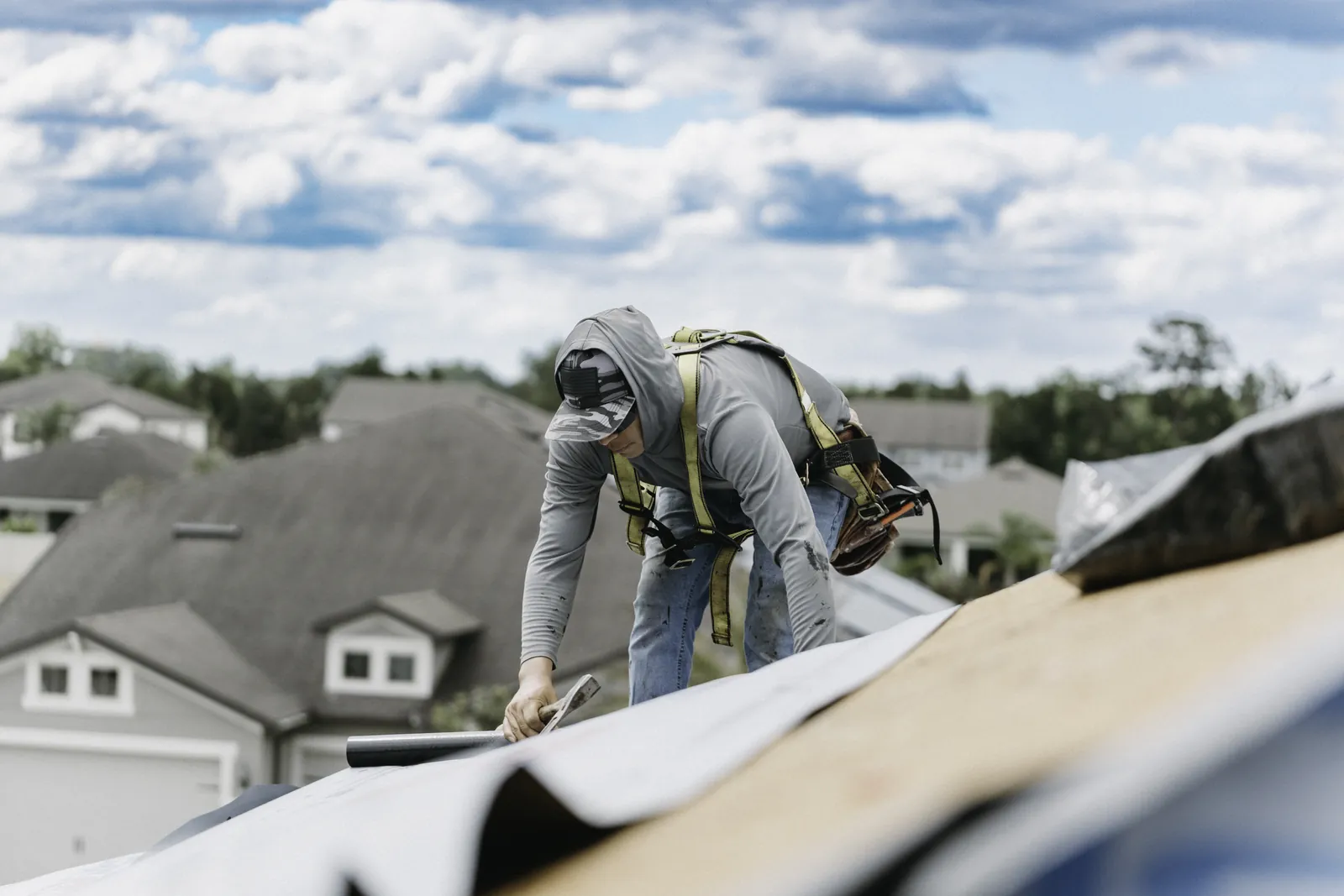
Materials & Warranties
Roof shape can affect wind behavior, but roof condition, connections, openings, code requirements, and the complete building envelope also matter. A photo is not enough to predict storm performance.
Read Hip Roof vs. Gable Roof: Which Is Better for Hurricanes?
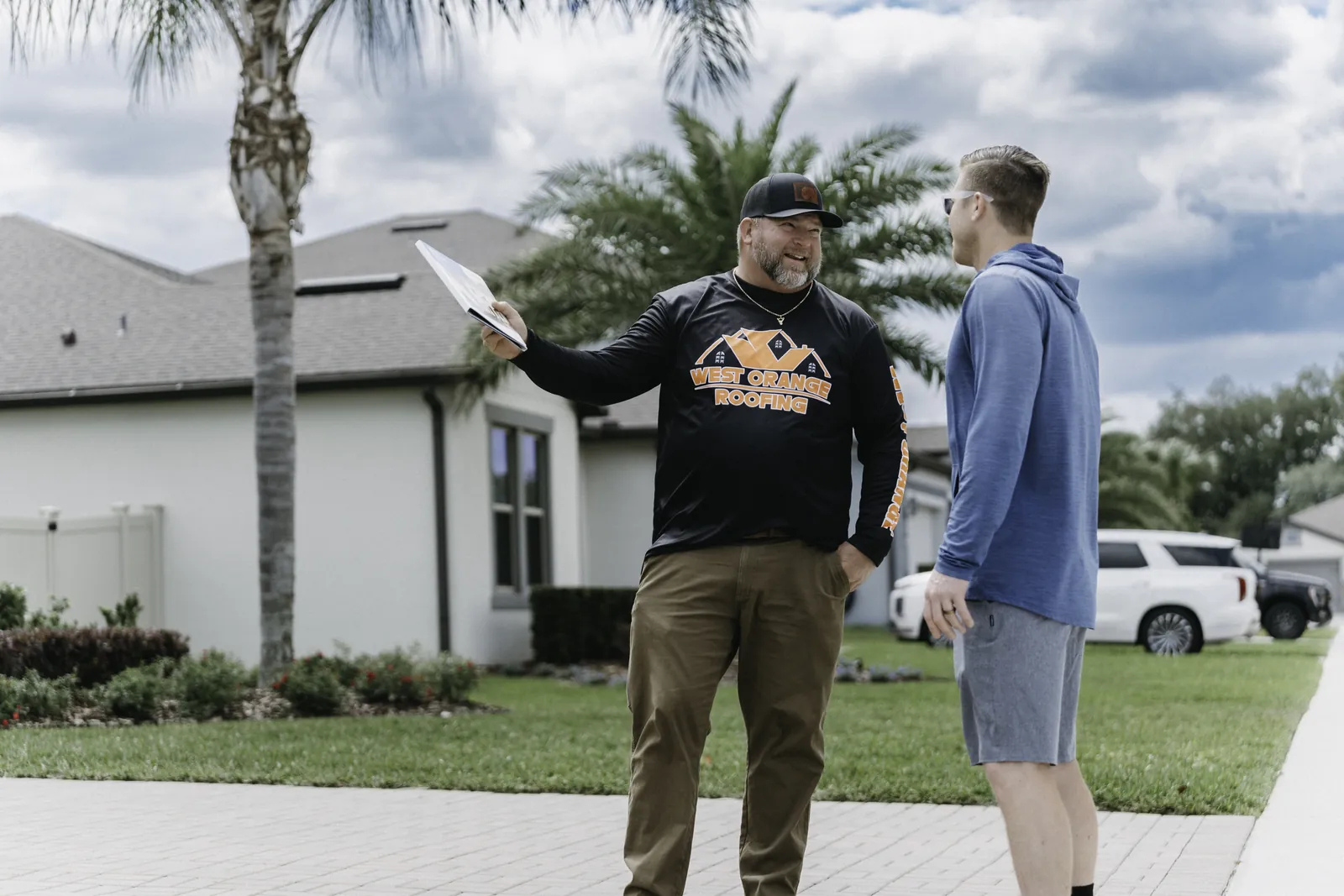
Materials & Warranties
Start with the roof’s shape, condition, drainage, budget, maintenance preferences, and desired appearance; then compare complete scopes and product documents for the materials that fit.
Read How to Choose the Right Roofing System for Your Home
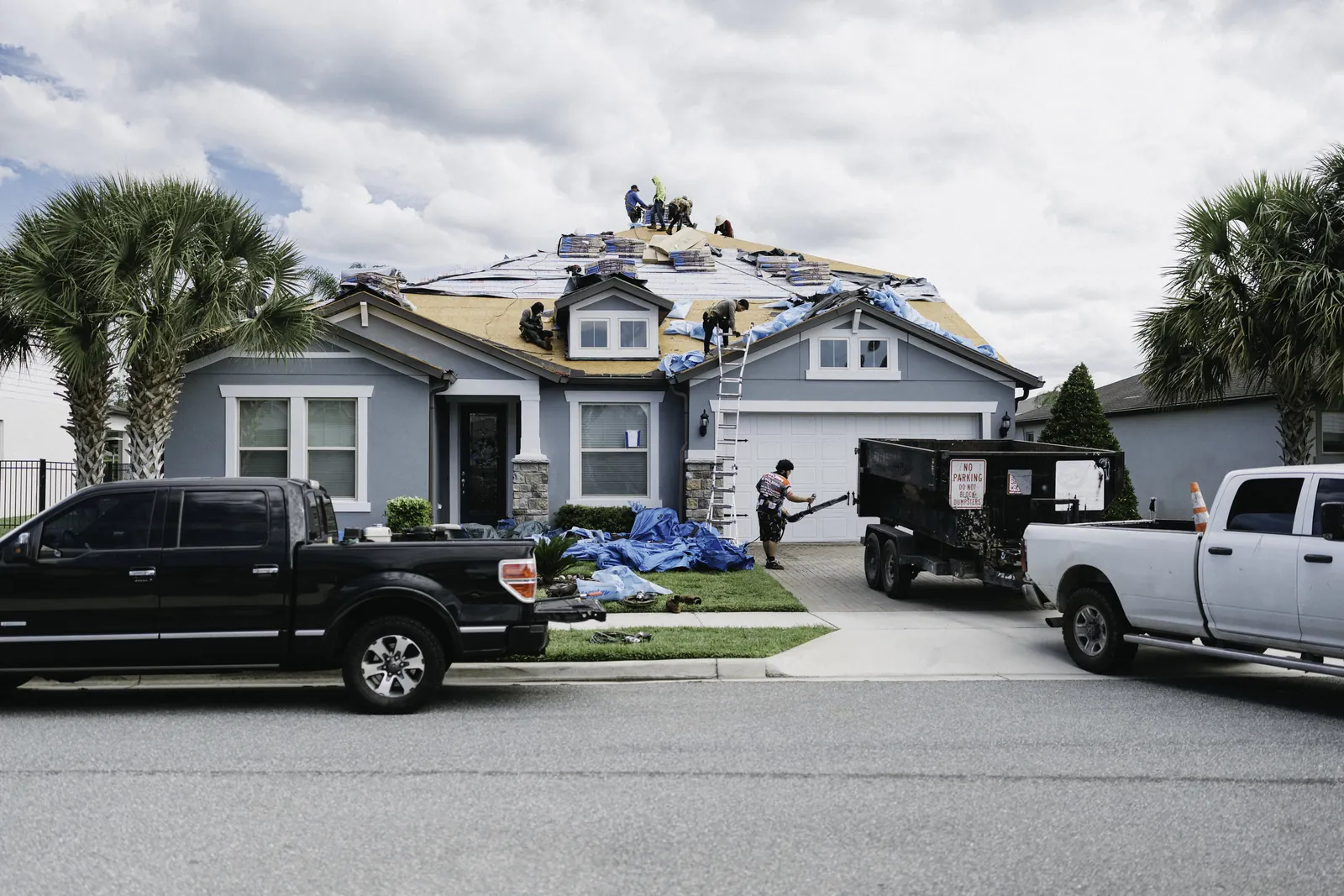
Residential Roofing
Homeowners usually want to know when to inspect, when repair makes sense, how work affects daily life, and how to compare proposals. Clear documentation answers more than a one-line recommendation.
Read Residential Roofing FAQ: Answers to the Most Common Homeowner Questions
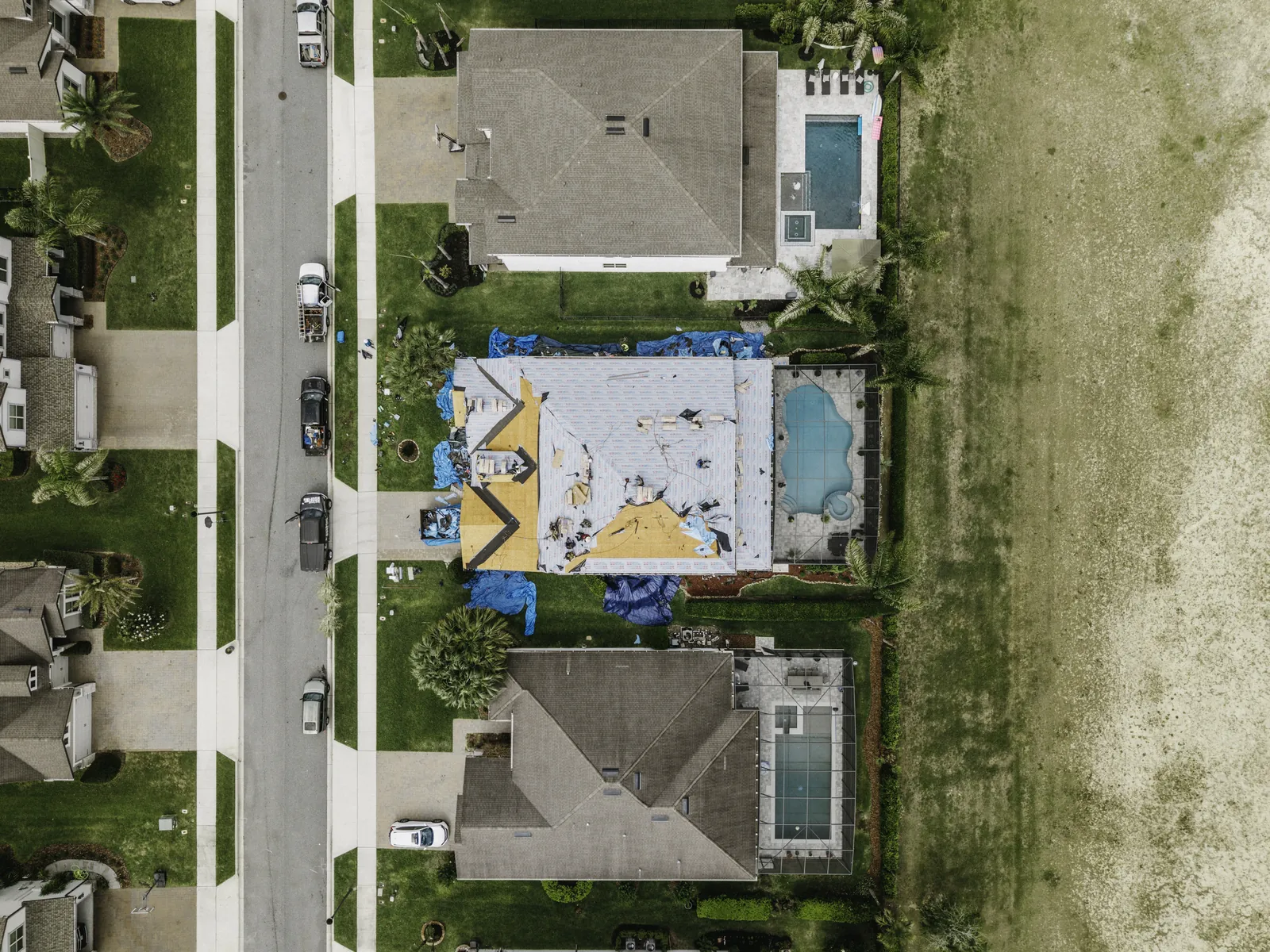
Residential Roofing
Replacement questions are practical: scope, timing, preparation, deck condition, cleanup, warranties, and what the crew needs from the household before work starts.
Read Roof Replacement FAQ: Everything Homeowners Should Know
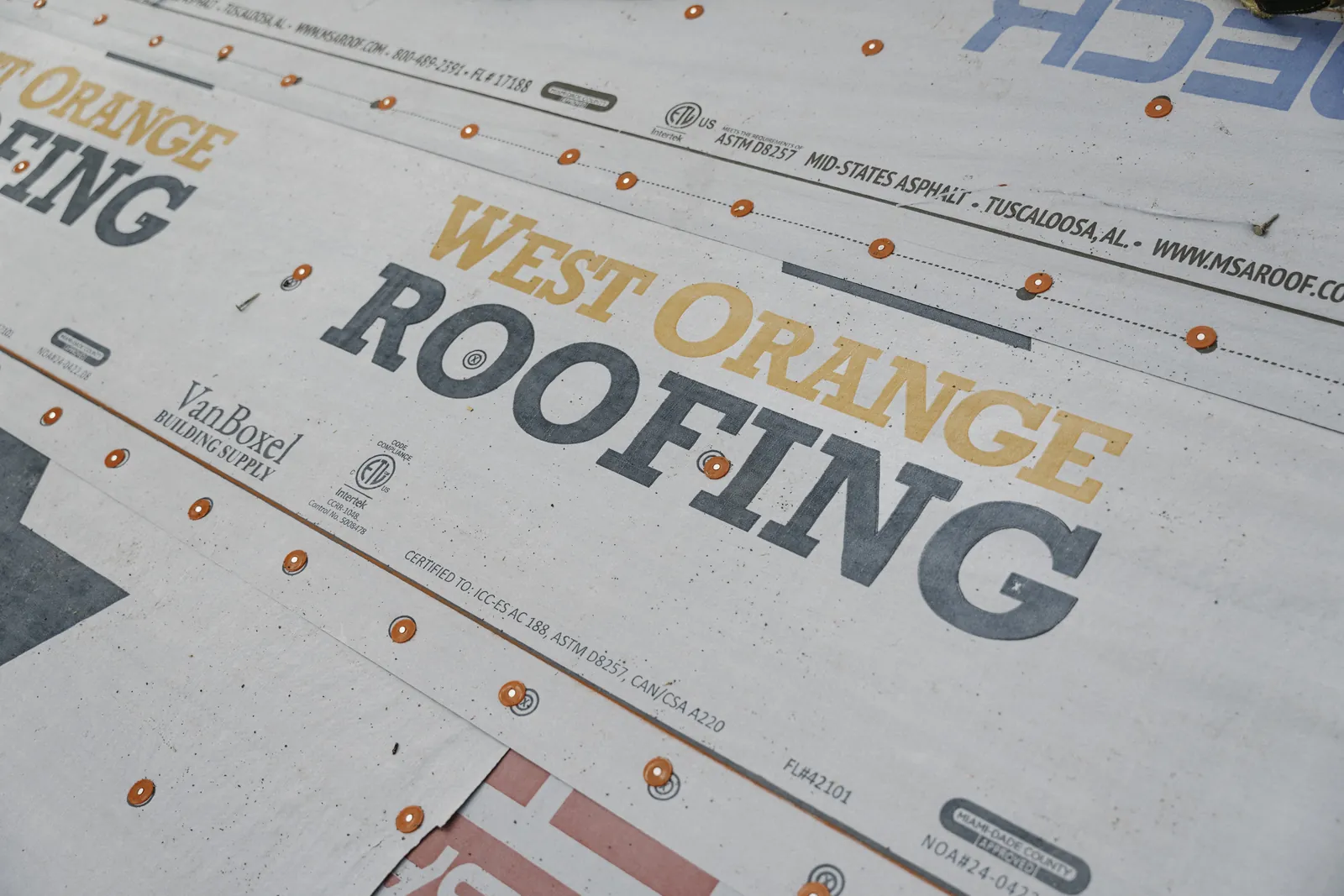
Roof Repair & Leaks
A repair is not a lesser answer when it resolves an isolated issue on a sound roof. The key is identifying the cause and explaining the limits of the repair honestly.
Read Roof Repair FAQ: When Can a Roof Be Repaired Instead of Replaced?
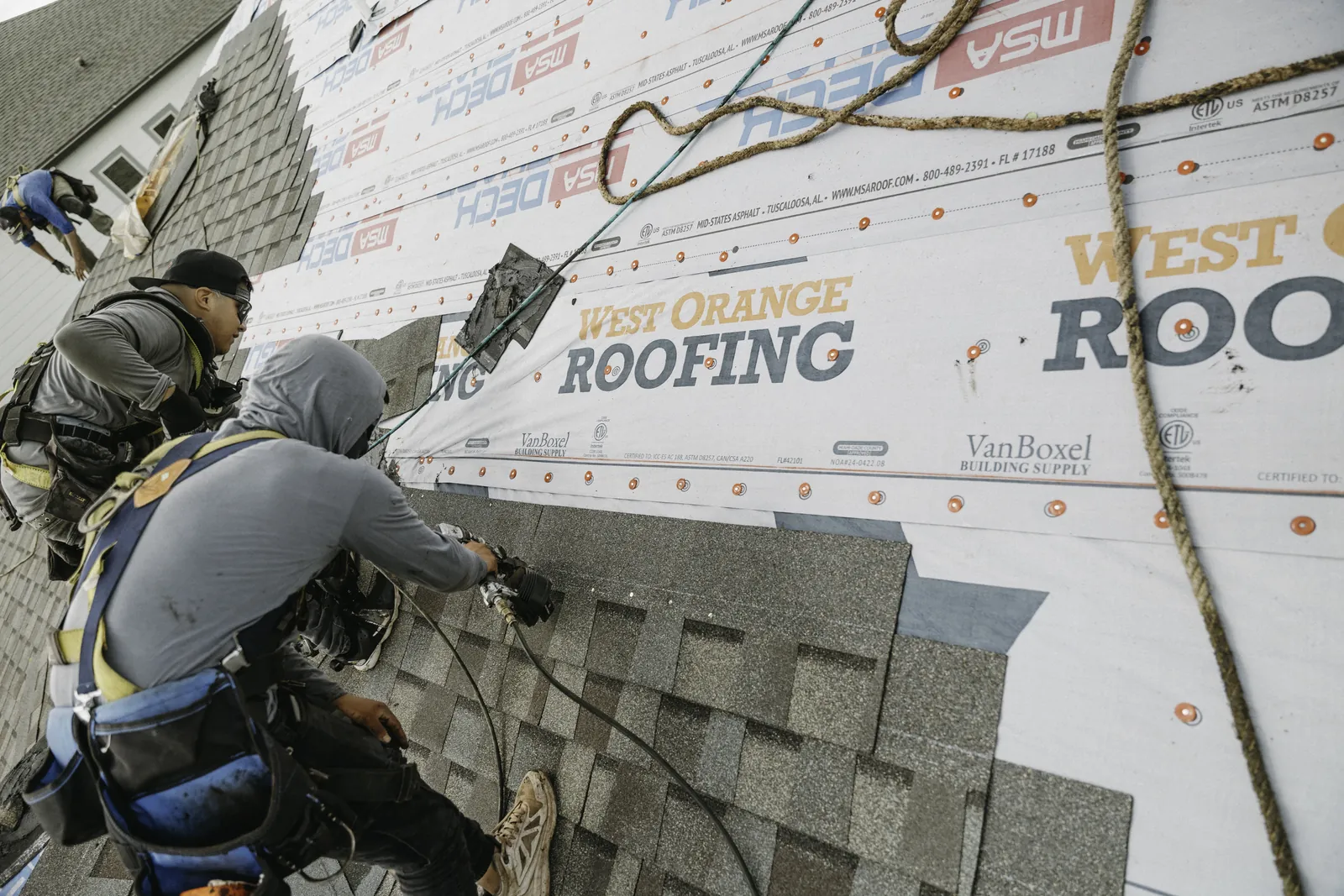
Materials & Warranties
Metal-roof questions deserve specific answers about the proposed assembly, details at penetrations and edges, maintenance access, and the product documents for the actual material being considered.
Read Metal Roofing FAQ: Cost, Lifespan, Noise, Maintenance, and More
Commercial Roofing
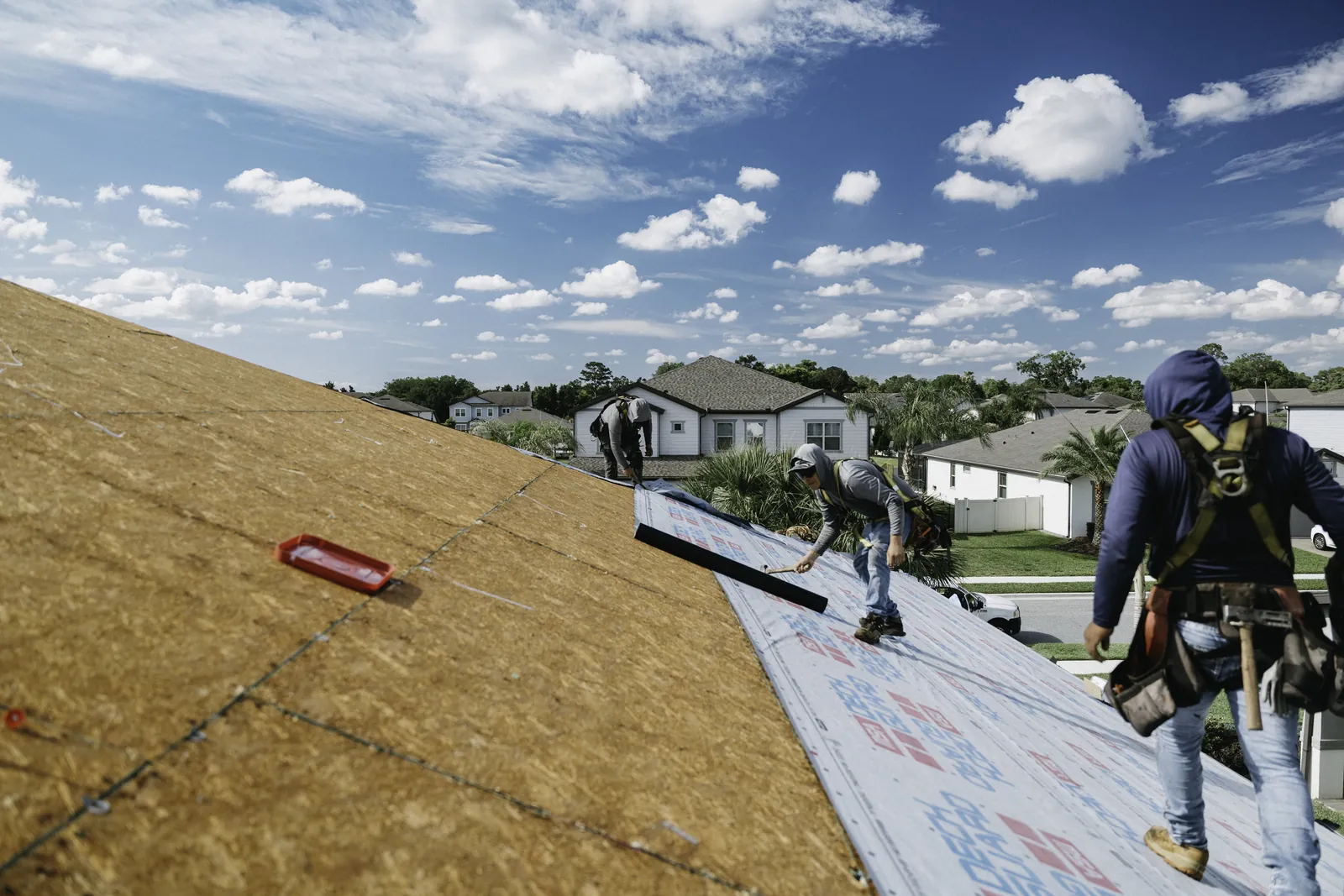
Commercial owners need a practical discussion of roof access, drainage, active leaks, occupied spaces, maintenance records, scheduling, and whether the observed condition supports repair planning or replacement planning.
Read Commercial Roofing FAQ: What Florida Property Owners Need to Know
Materials & Warranties
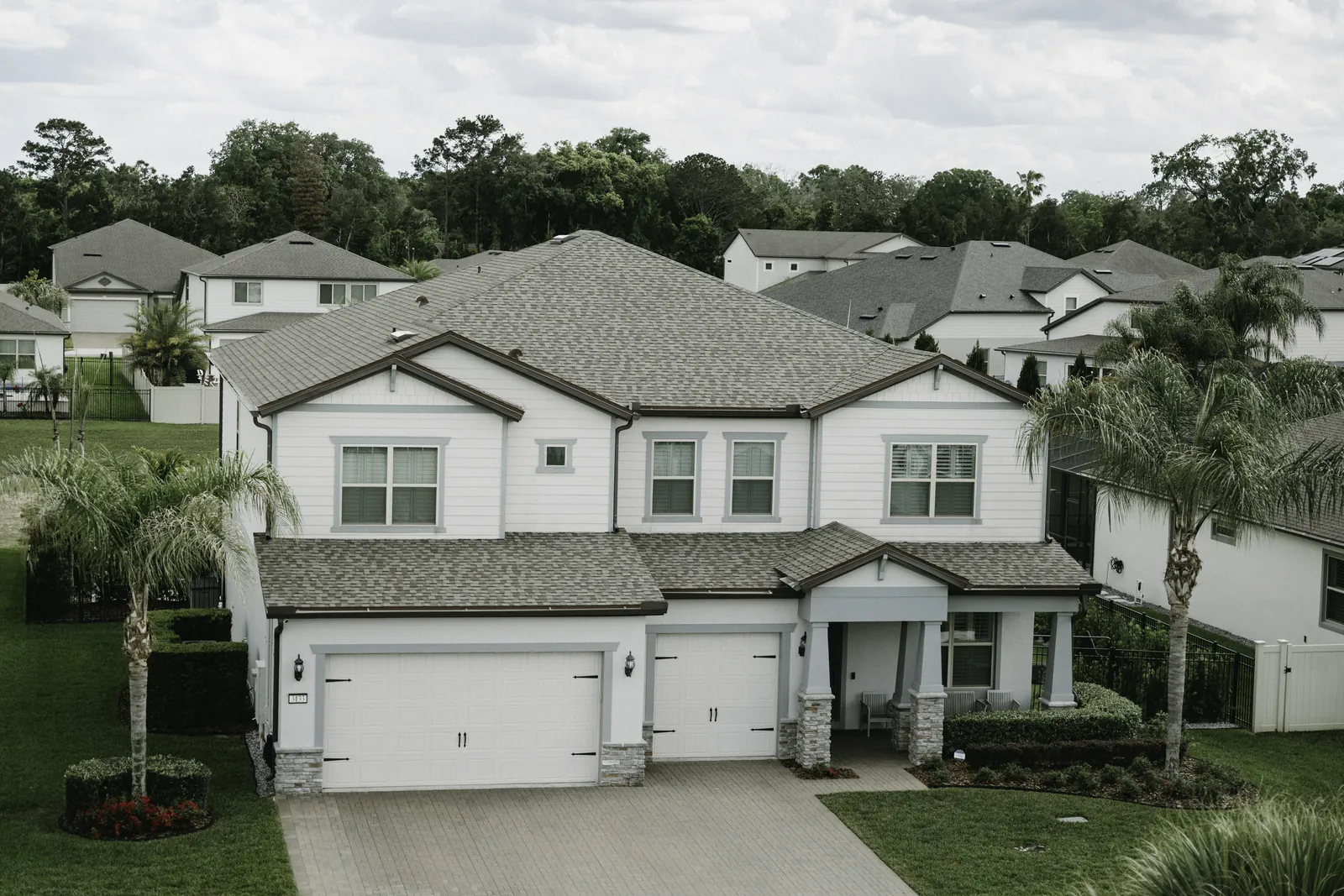
A roofing warranty is not one document. Product coverage and contractor labor coverage can address different issues, with terms, exclusions, and transfer rules that homeowners should read before signing.
Read Roofing Warranty Explained: What Does Your Roof Warranty Actually Cover?
Materials & Warranties
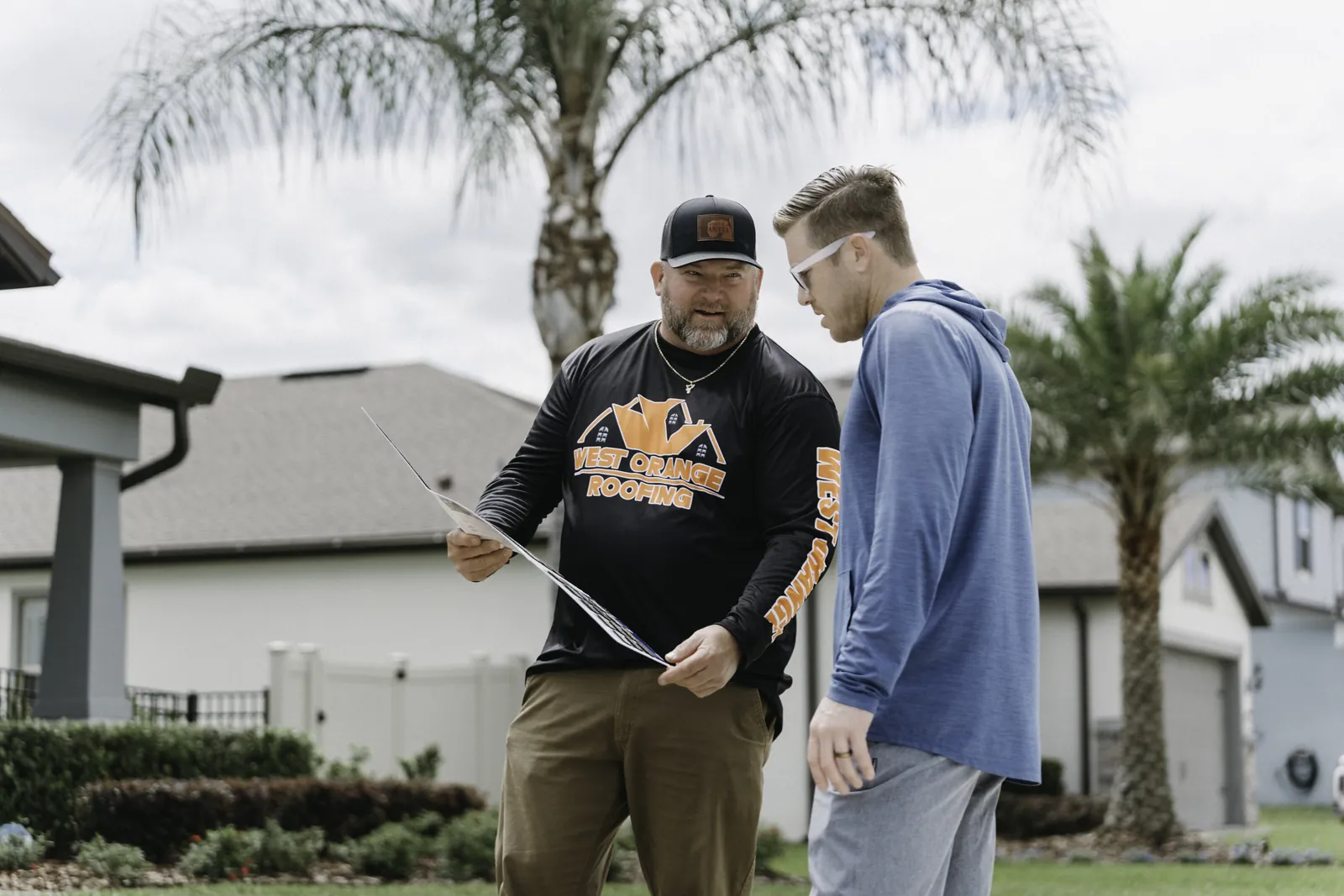
Manufacturer coverage generally concerns qualifying product defects; workmanship coverage concerns the contractor’s installation work. The written terms control, so ask for both documents.
Read Manufacturer Warranty vs. Workmanship Warranty: What Is the Difference?
Materials & Warranties
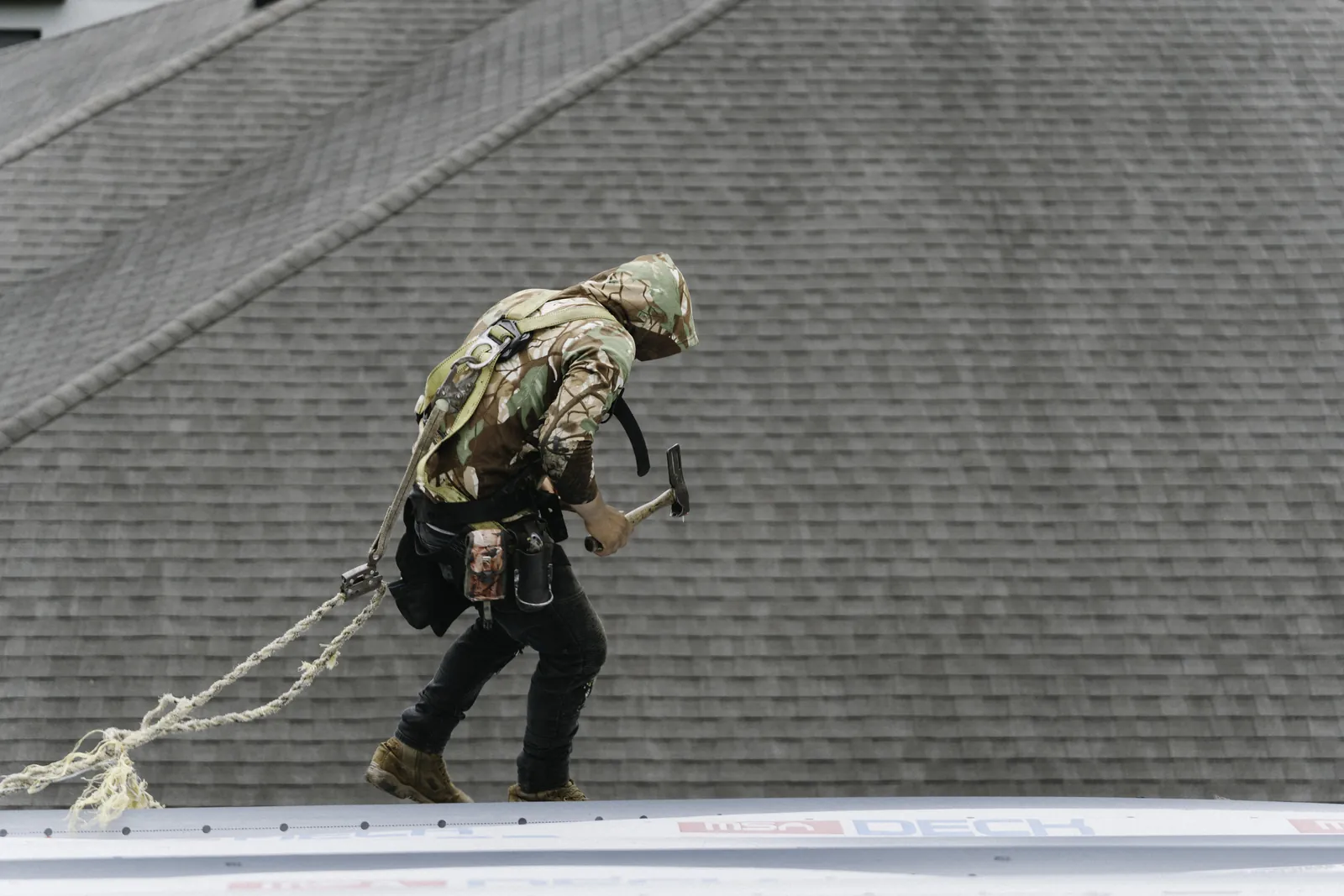
The answer depends on the material, registered system, and contractor’s written labor terms. West Orange Roofing’s public materials describe a 7-year limited labor warranty, subject to current project documents.
Read How Long Is a New Roof Warranty?
Materials & Warranties
Improper installation, unapproved alterations, poor maintenance, unauthorized repairs, and failure to follow product requirements can affect coverage. Keep documentation and ask before changing the roof system.
Read What Can Void a Roof Warranty?
Materials & Warranties
Look for clear scope, duration, limits, exclusions, claim steps, transfer rules, and the relationship between labor coverage and manufacturer coverage—not just a broad promise.
Read What Should You Look for in a Roofing Contractor's Warranty?
Storm Readiness
Preparation is about maintenance and documentation before a storm: clear drainage paths, address known issues, secure loose items, and know how to safely document conditions without climbing onto the roof.
Read How to Prepare Your Roof for Hurricane Season in Florida
Storm Readiness
A homeowner checklist should cover visible shingles or tiles, flashings, gutters, loose debris, attic stains, branches, and records—while leaving roof walking and close inspection to trained professionals.
Read Hurricane Roof Checklist: What to Inspect Before a Storm
Storm Readiness
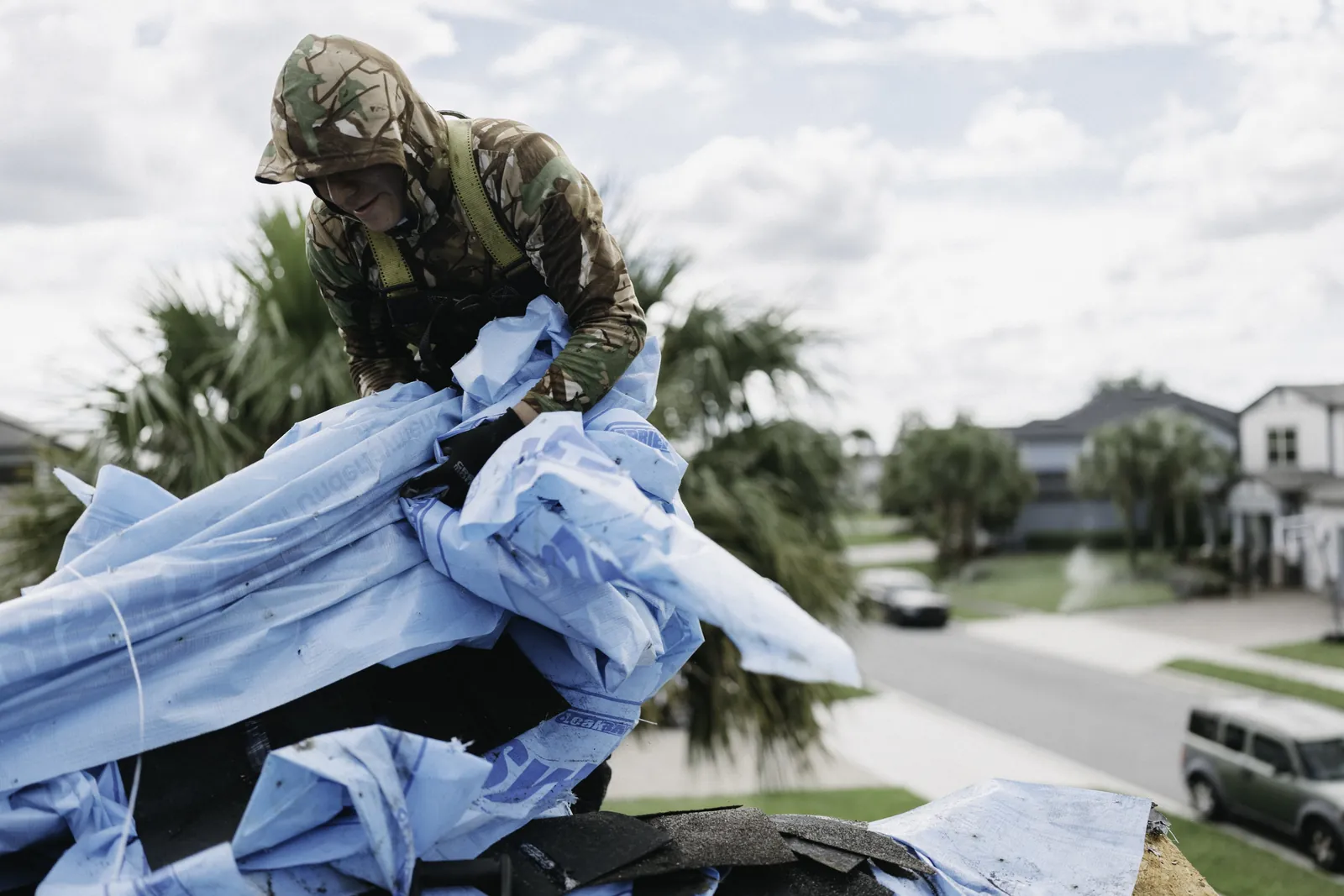
Put personal safety first, avoid affected areas and downed lines, document damage from a safe location when conditions allow, take reasonable temporary protective steps, and arrange a professional assessment.
Read What Should You Do If Your Roof Is Damaged During a Hurricane?
Storm Readiness
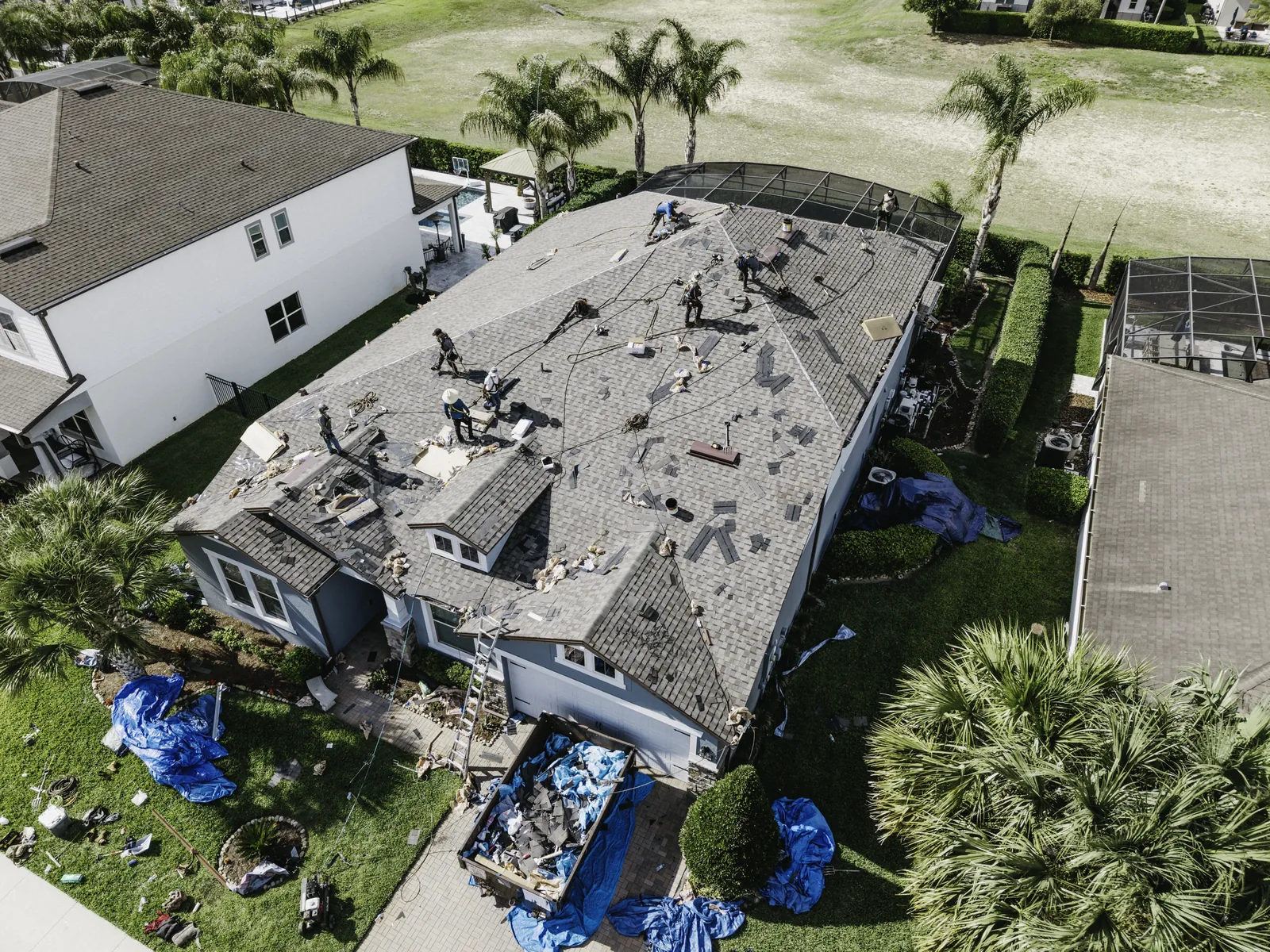
Start from the ground and inside the attic: look for displaced materials, debris, stains, and daylight, photograph what you can safely see, and avoid creating more damage by climbing up.
Read How to Check Your Roof for Storm Damage After a Hurricane
Storm Readiness
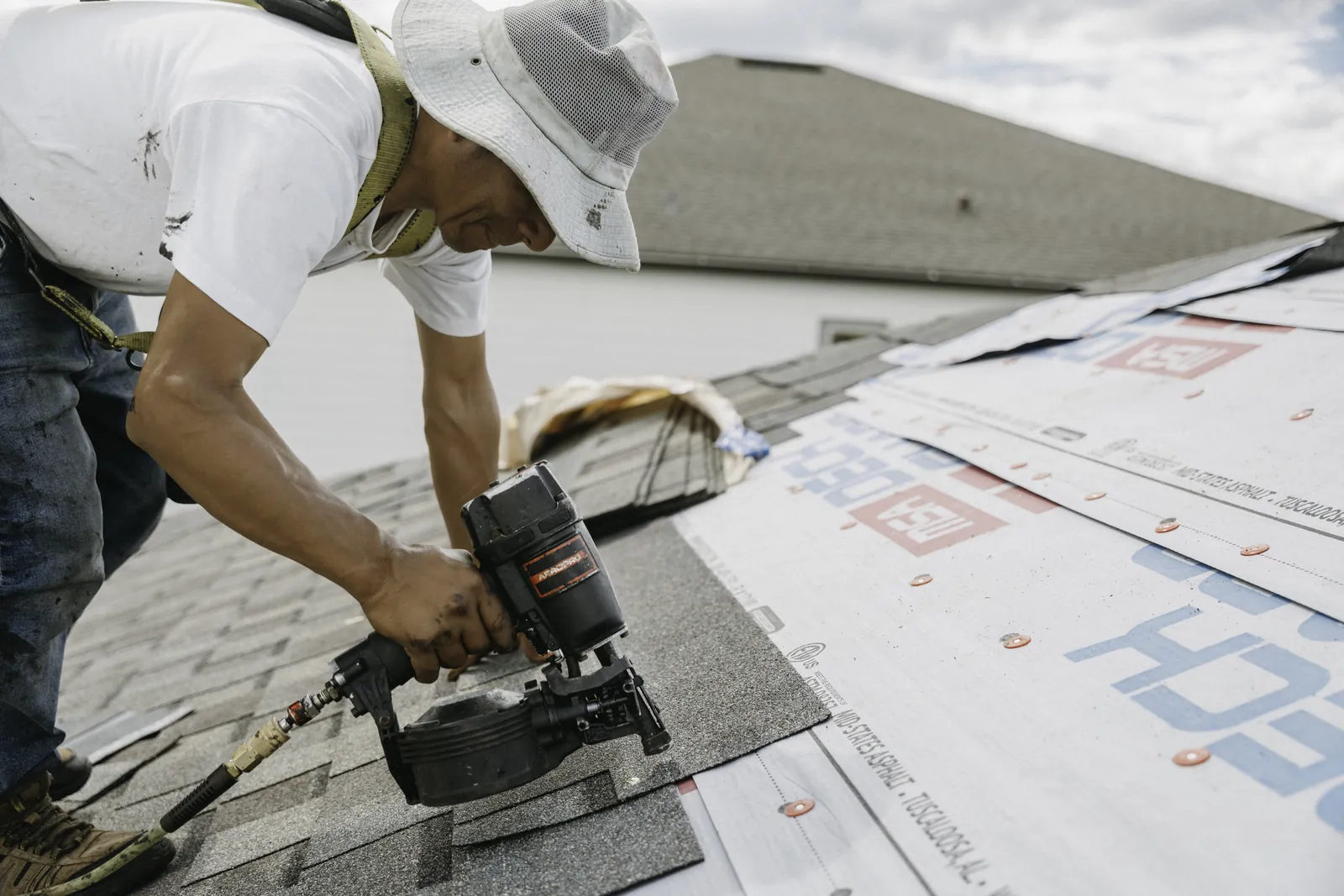
Wind damage can show up as lifted, creased, missing, or displaced materials, loose flashings, exposed edges, or debris impact. The cause and extent still need careful assessment.
Read Wind Damage to a Roof: What Does It Look Like?
Storm Readiness
Normal aging and storm impacts can look similar from the ground. Documentation, the roof’s condition, and a close inspection help distinguish an isolated mark from a broader roof concern.
Read Hail Damage vs. Normal Roof Wear: How Can You Tell the Difference?
Roof Repair & Leaks
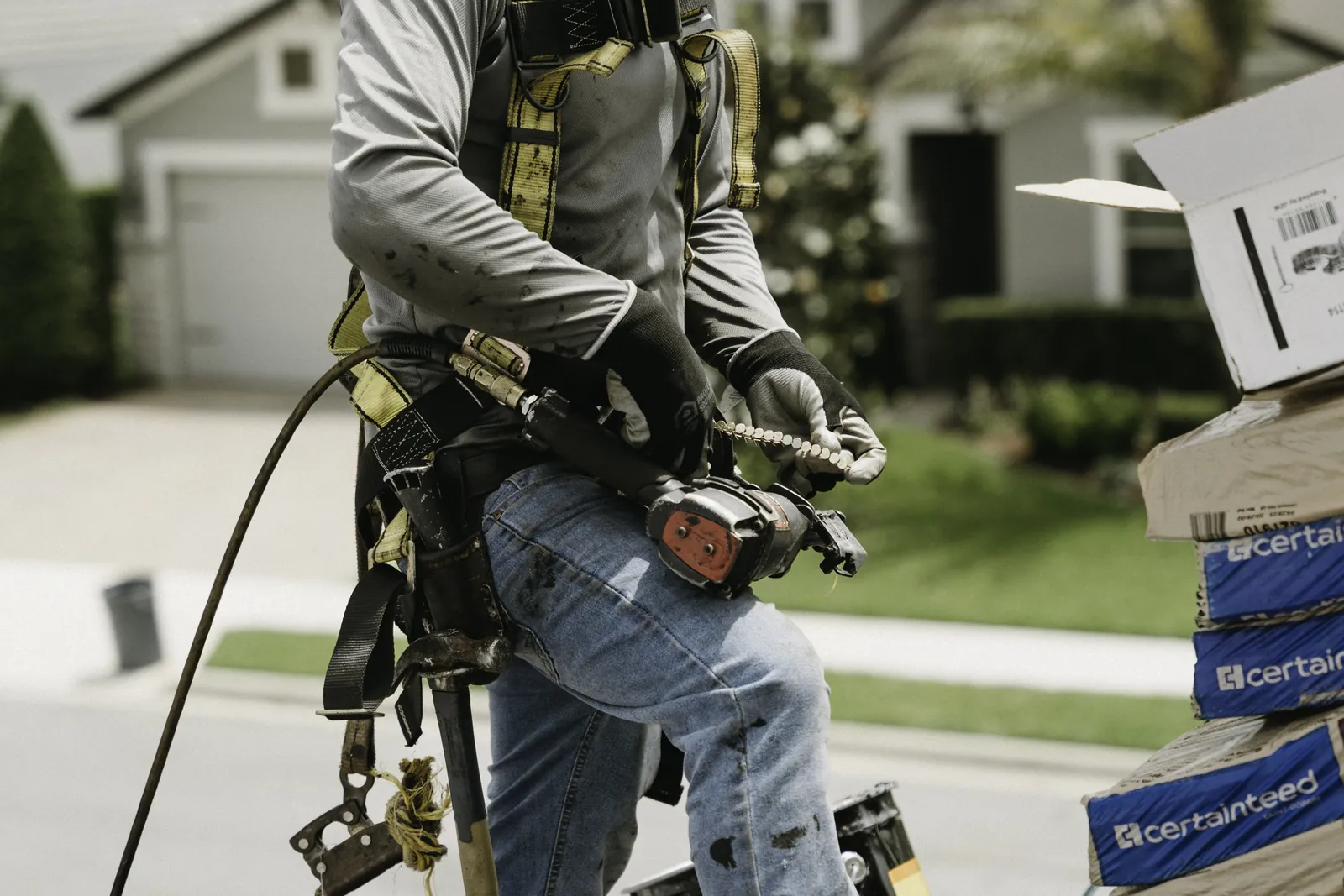
Protect people and belongings first, contain water when safe, move valuables, document conditions, and call for assessment. Do not enter an unsafe attic, climb a wet roof, or improvise electrical work.
Read Emergency Roof Repair: What to Do When Your Roof Starts Leaking
Storm Readiness
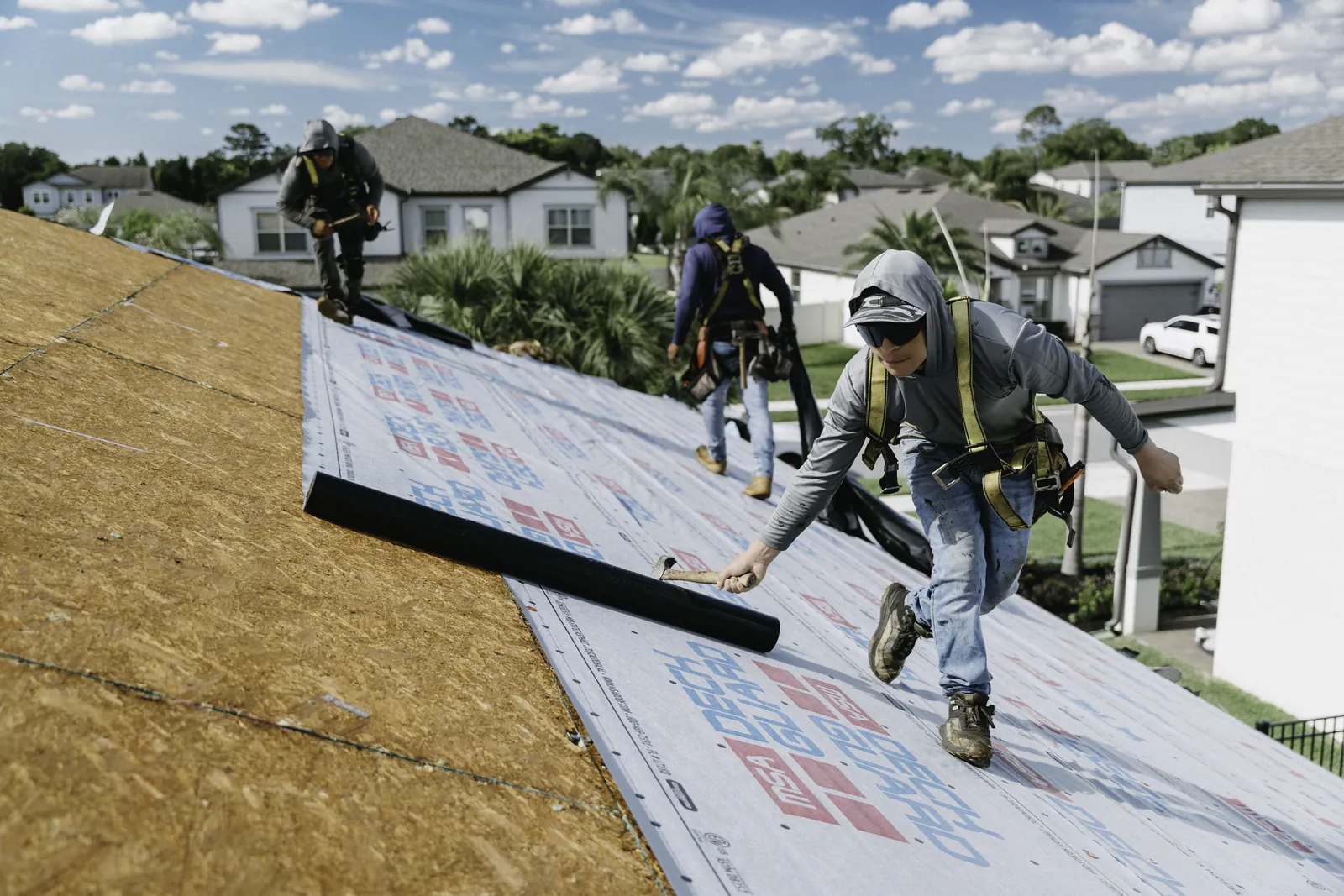
An inspection is sensible when you see changes, have a new leak, find debris or displaced materials, or want a condition record after significant weather. It should produce understandable findings.
Read Should You Get a Roof Inspection After a Major Florida Storm?
Storm Readiness
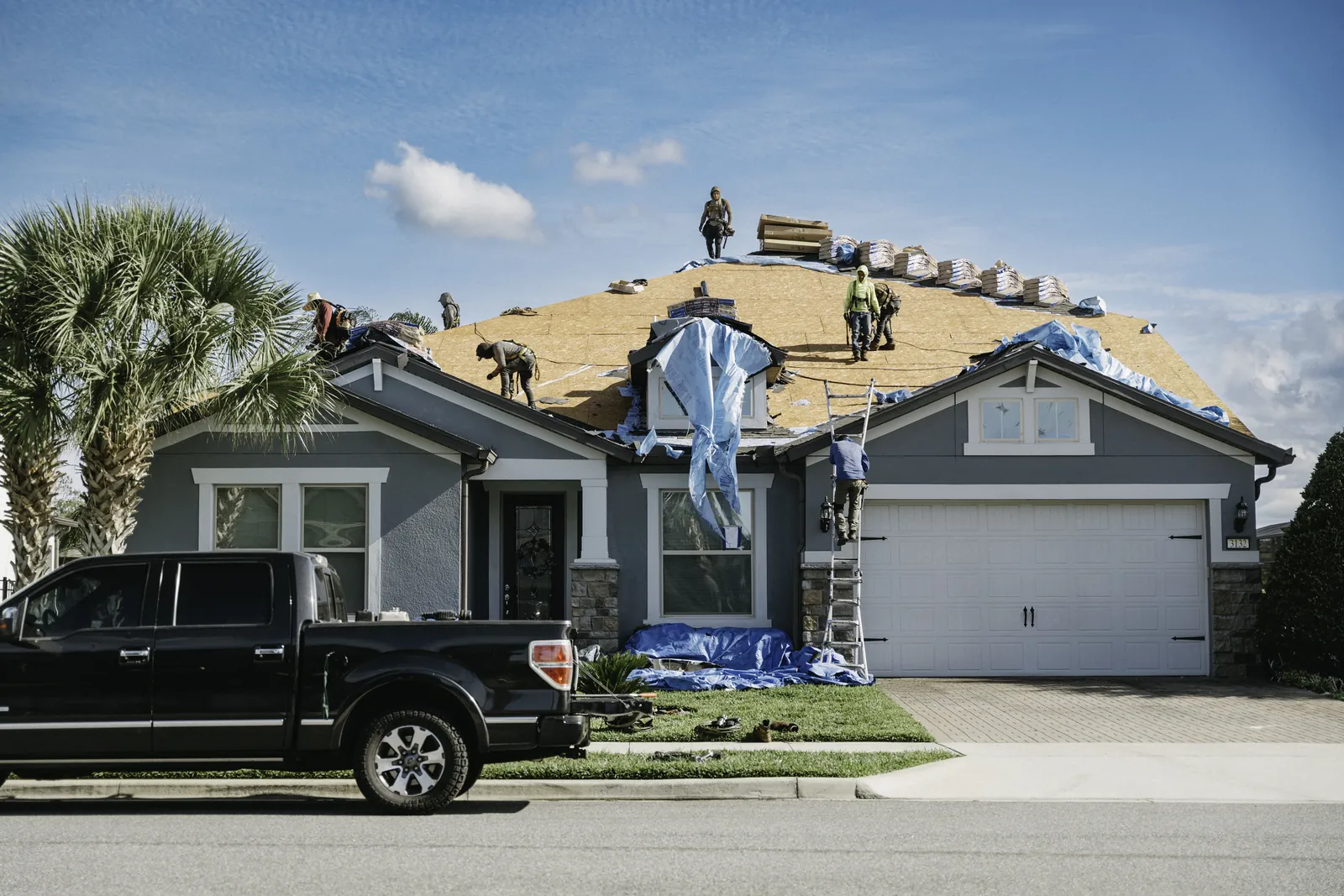
If a tree contacts the roof, leave the area if there is structural danger, call emergency services for immediate hazards, avoid downed wires, document from a safe distance, and arrange professional assessment.
Read What to Do if a Tree Falls on Your Roof
Roof Repair & Leaks
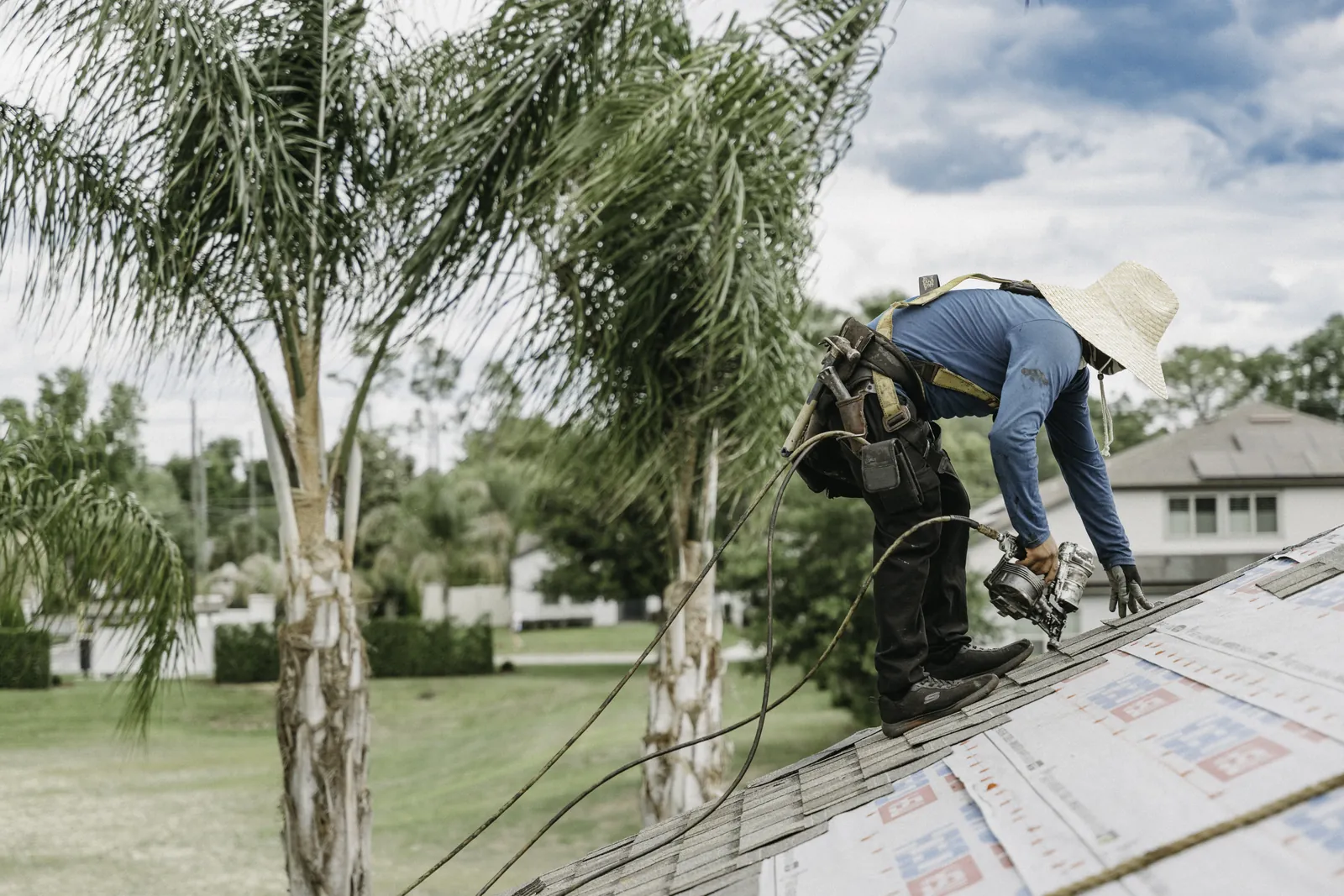
Before seasonal rain arrives, address known wear, keep drainage paths clear, trim branches appropriately, note attic stains, and schedule an inspection if water has appeared before.
Read How to Prevent Roof Leaks During Florida's Rainy Season
Roof Repair & Leaks
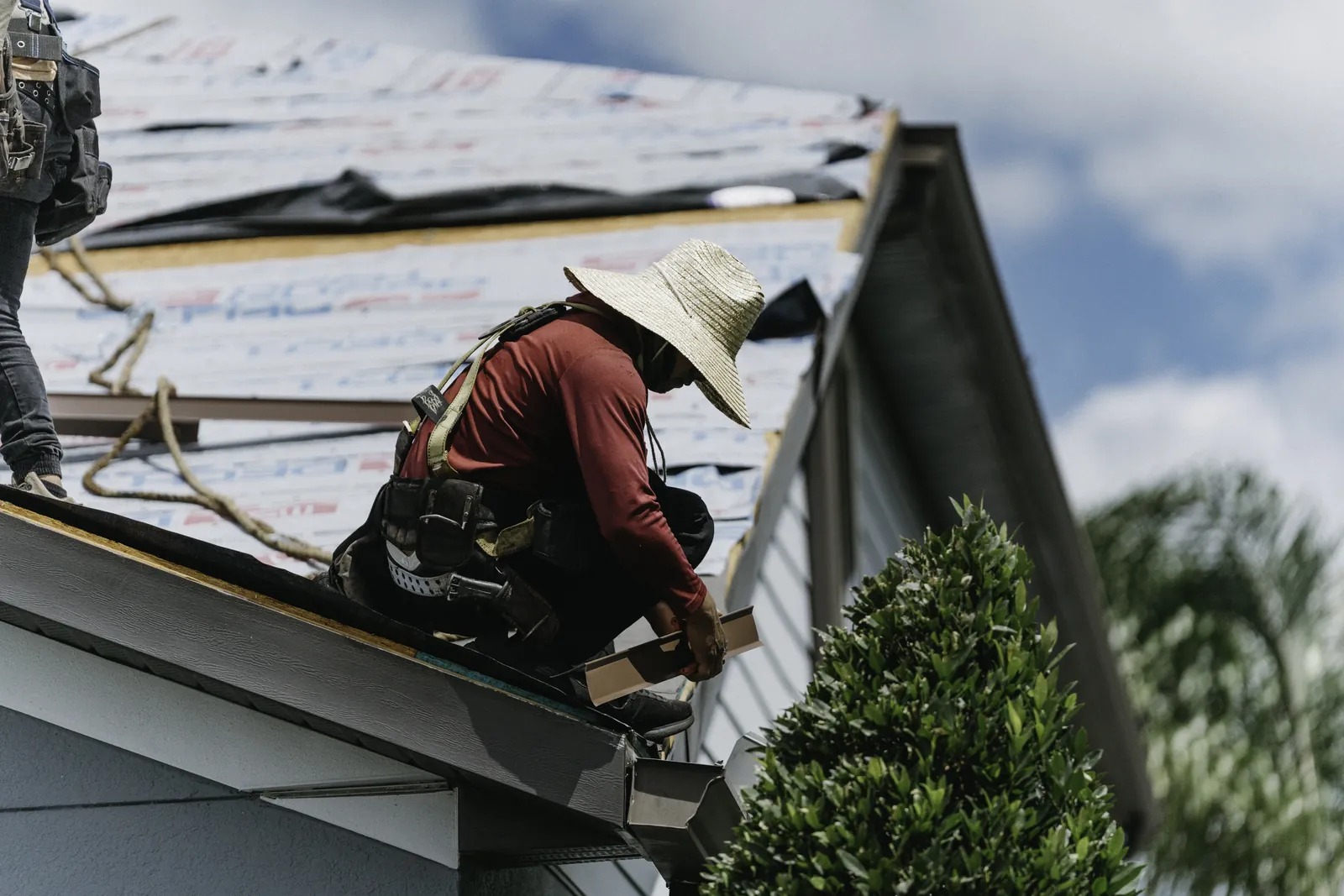
Leaks often begin at transitions: penetrations, flashings, valleys, walls, edges, damaged materials, or drainage points. The water spot inside may be far from the entry point.
Read The Most Common Causes of Roof Leaks in Florida
Roof Repair & Leaks
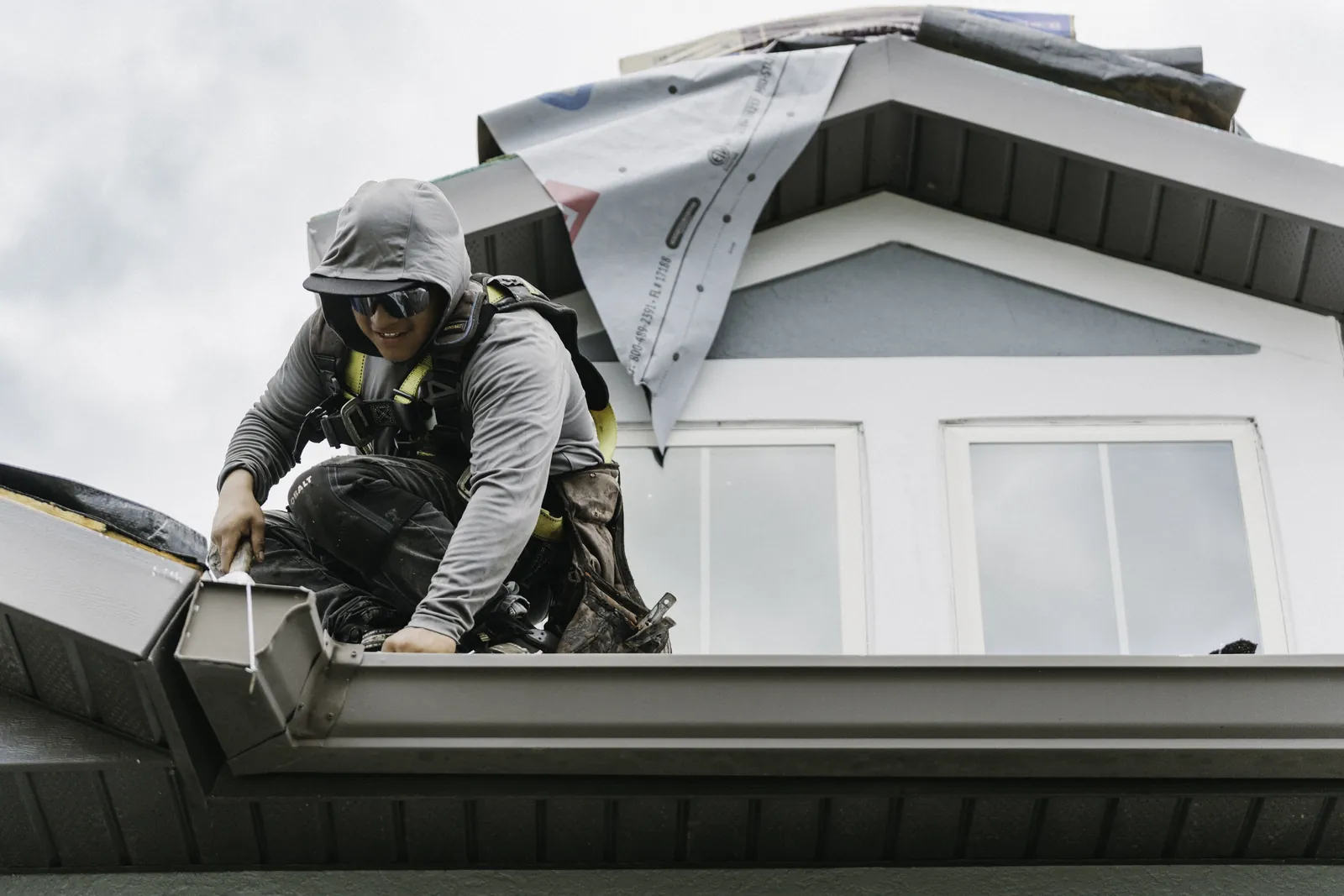
Penetrations interrupt the roof surface, so boots, flashing, seals, and surrounding material must work together. A visible stain near one feature does not prove that feature is the entry point.
Read Why Is My Roof Leaking Around a Vent, Chimney, or Skylight?
Roof Repair & Leaks
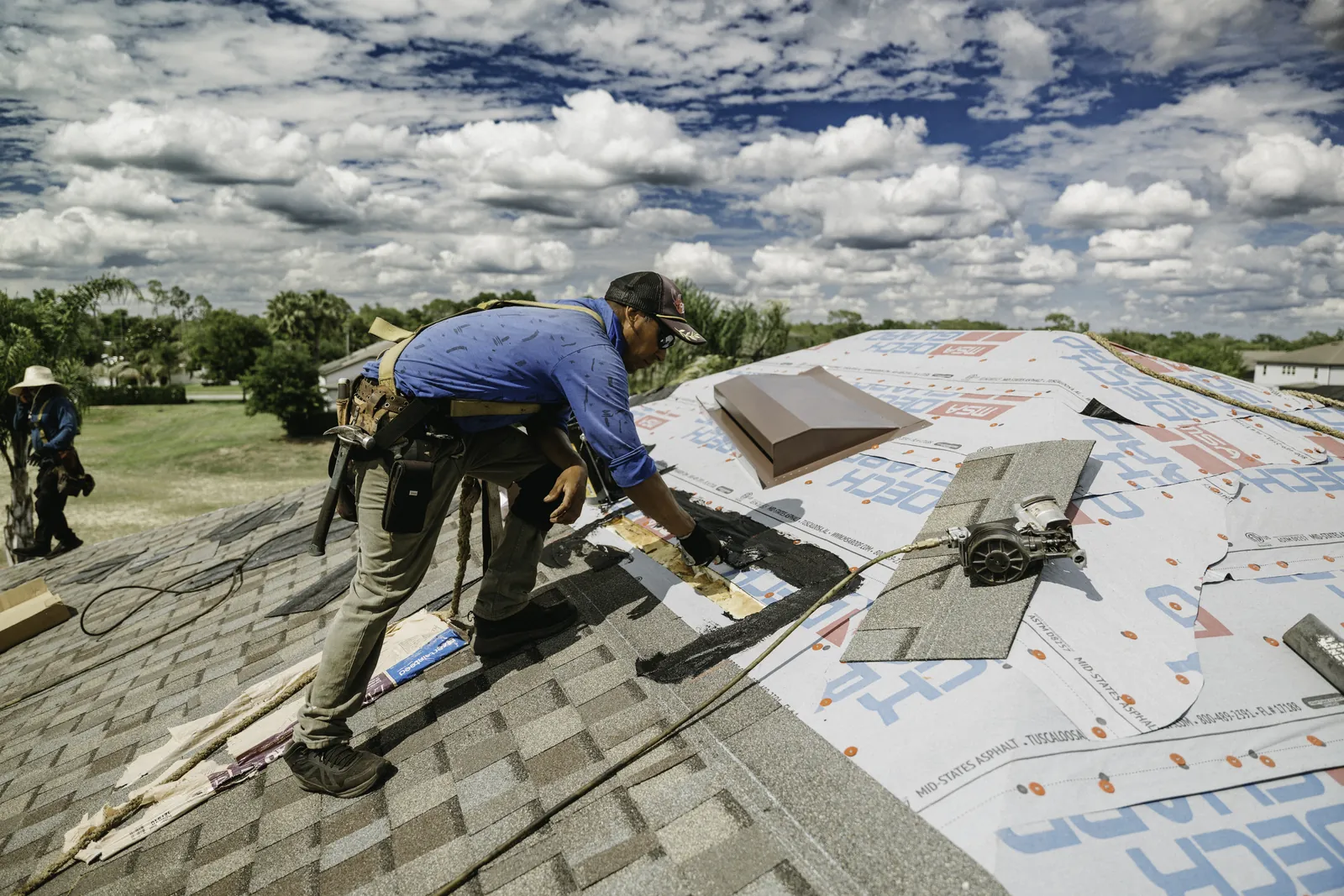
Yes, when the cause is localized and the remaining roof is sound. The repair should address the actual entry point and any affected materials, not simply cover the stain’s location.
Read Can a Leaking Roof Be Repaired Without Replacing the Entire Roof?
Roof Repair & Leaks
Watch for ceiling changes, attic moisture, musty odors, displaced materials, and repeat trouble spots. Early documentation helps a professional trace the issue before more finishes are affected.
Read How to Find a Roof Leak Before It Causes Major Damage
Commercial Roofing
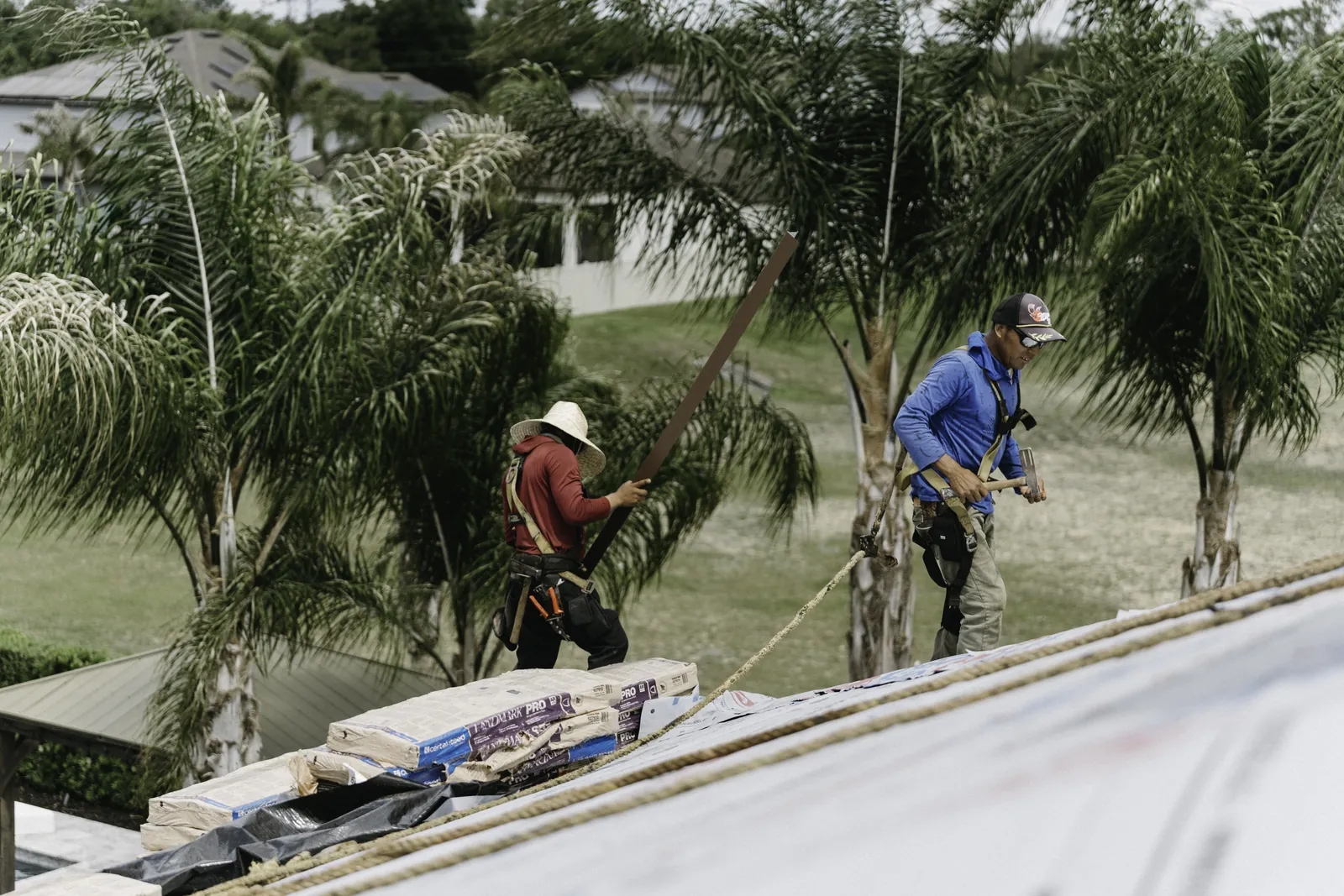
The decision should consider the roof’s condition, active leaks, wet materials, drainage, repair history, occupied spaces, budget planning, and the realistic service life after work is complete.
Read Commercial Roof Repair vs. Replacement: Which Does Your Building Need?
Commercial Roofing
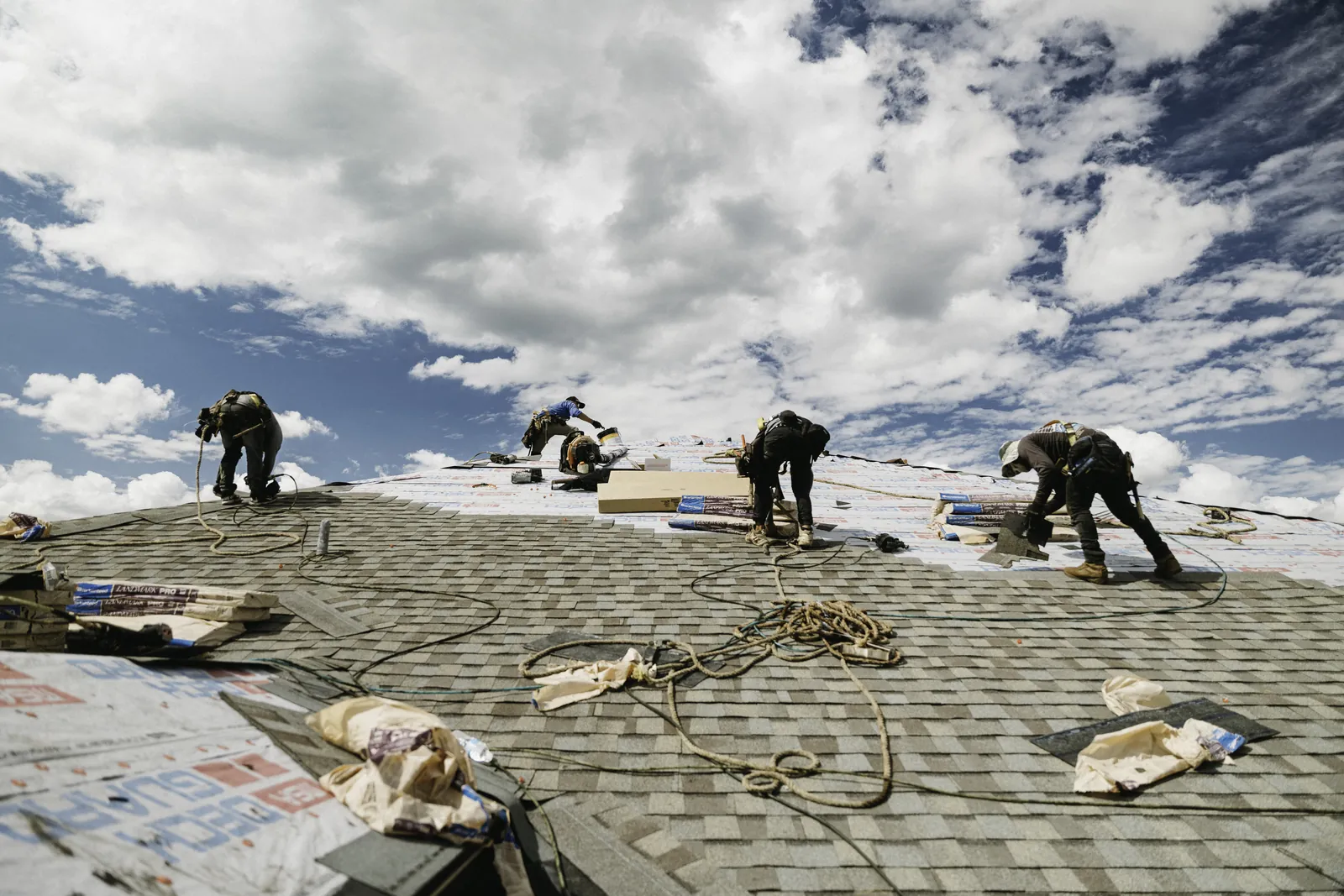
The right commercial system depends on roof slope, drainage, building use, equipment, access, existing conditions, and the project scope. Avoid deciding from a material name alone.
Read What Is the Best Commercial Roofing System for Florida?
Commercial Roofing
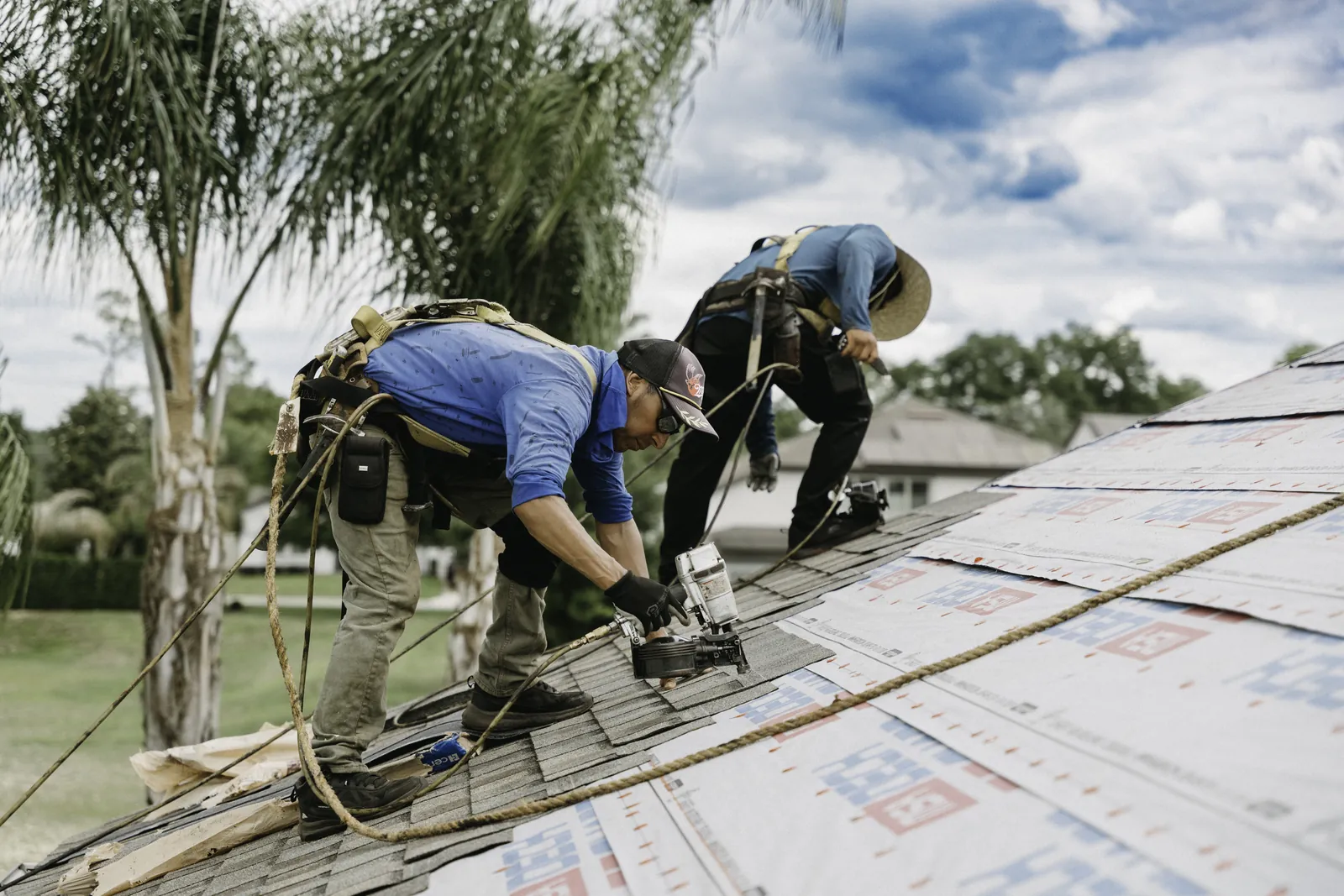
TPO is a single-ply membrane category used on many low-slope roofs. Whether it fits a building depends on the full design, drainage, details, substrate, and manufacturer requirements.
Read TPO Roofing Explained: Is It Right for Your Commercial Building?
Commercial Roofing
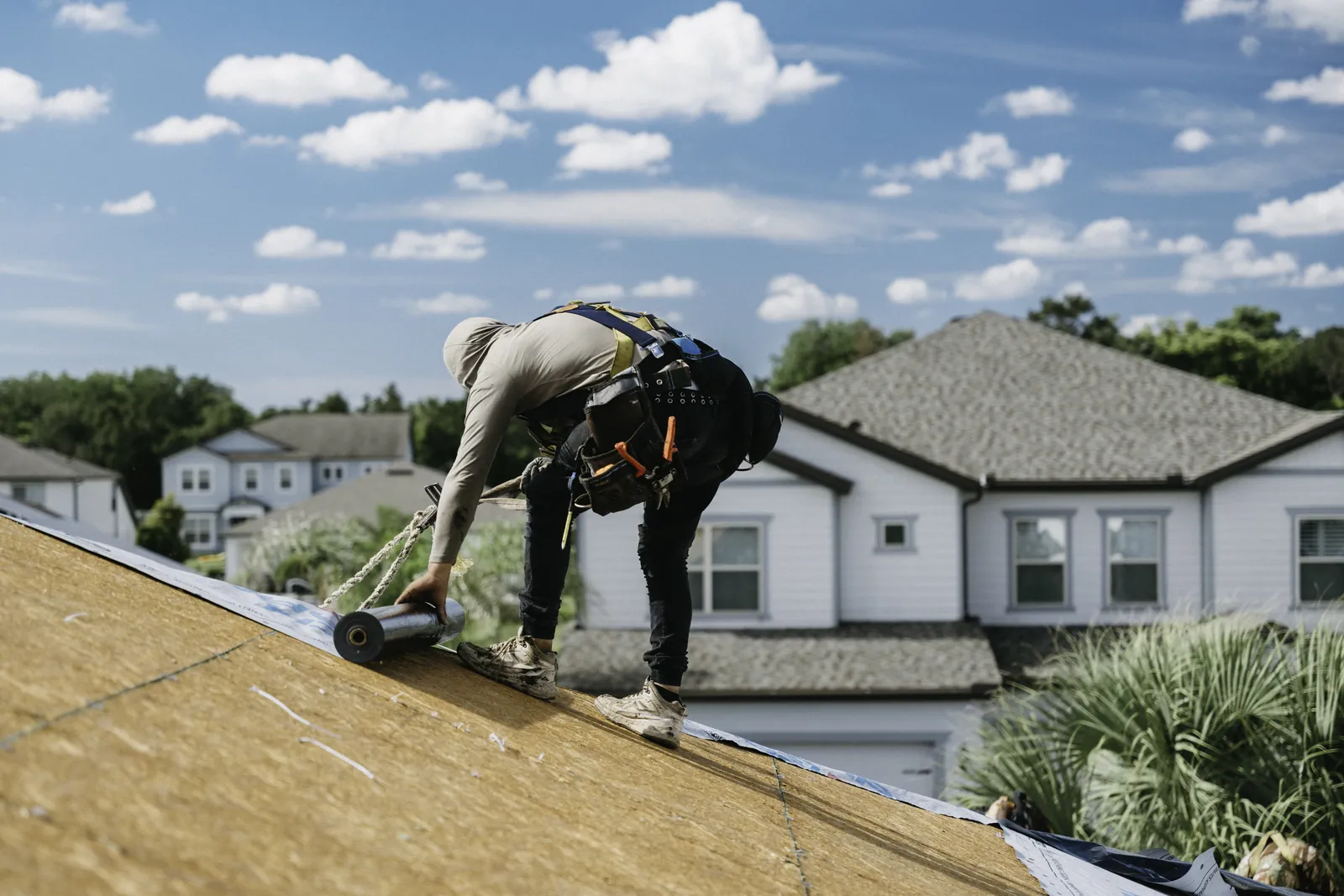
Commercial roof life varies with system type, design, drainage, exposure, traffic, repairs, maintenance, and installation quality. A condition assessment is more useful than a calendar estimate alone.
Read How Long Does a Commercial Roof Last in Florida?
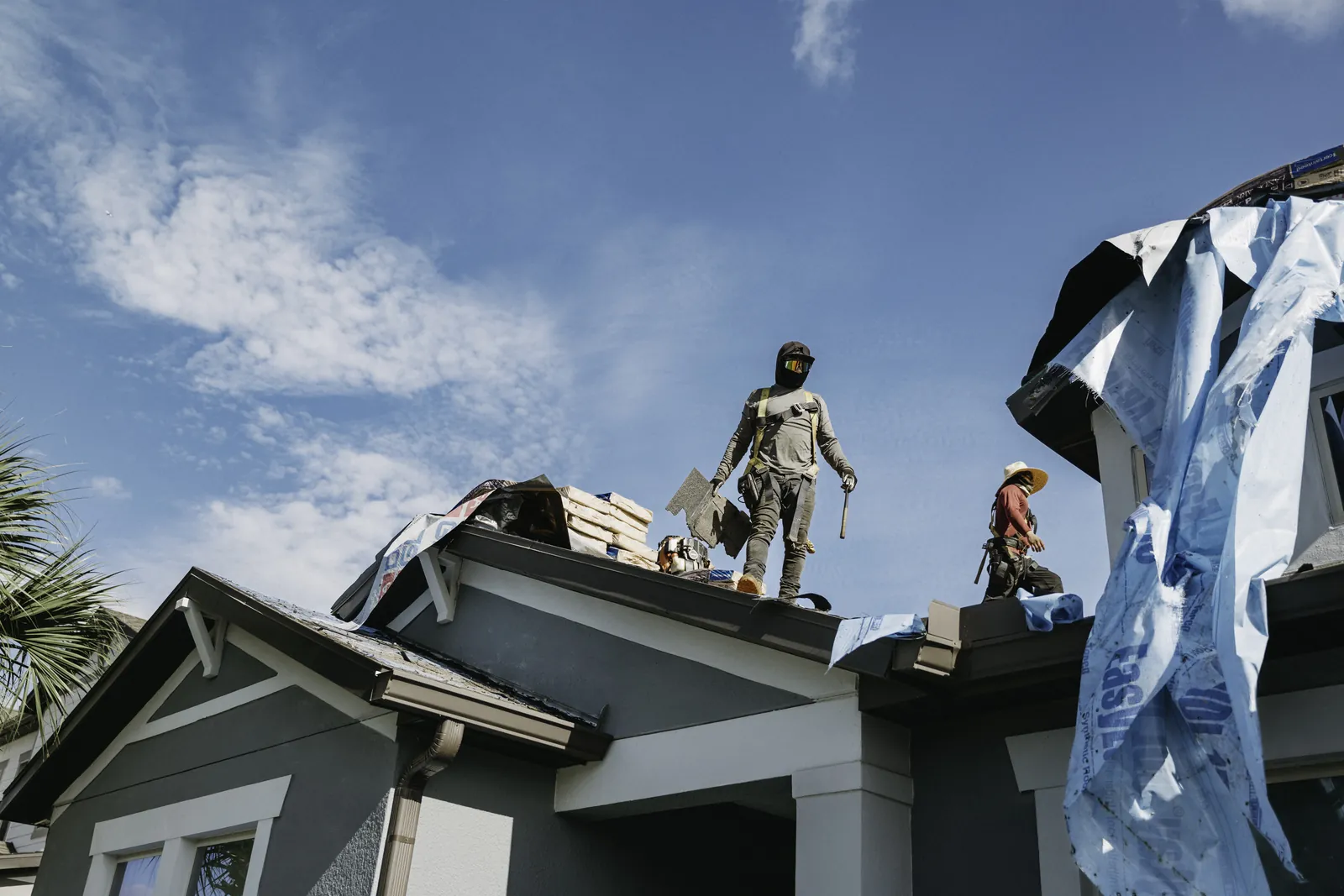
Residential Roofing
Choose a contractor by checking written scope, communications, insurance and credential documentation, local experience, product qualifications, warranty terms, and how clearly the inspection findings are explained.
Read How to Choose the Best Roofing Contractor in Central Florida
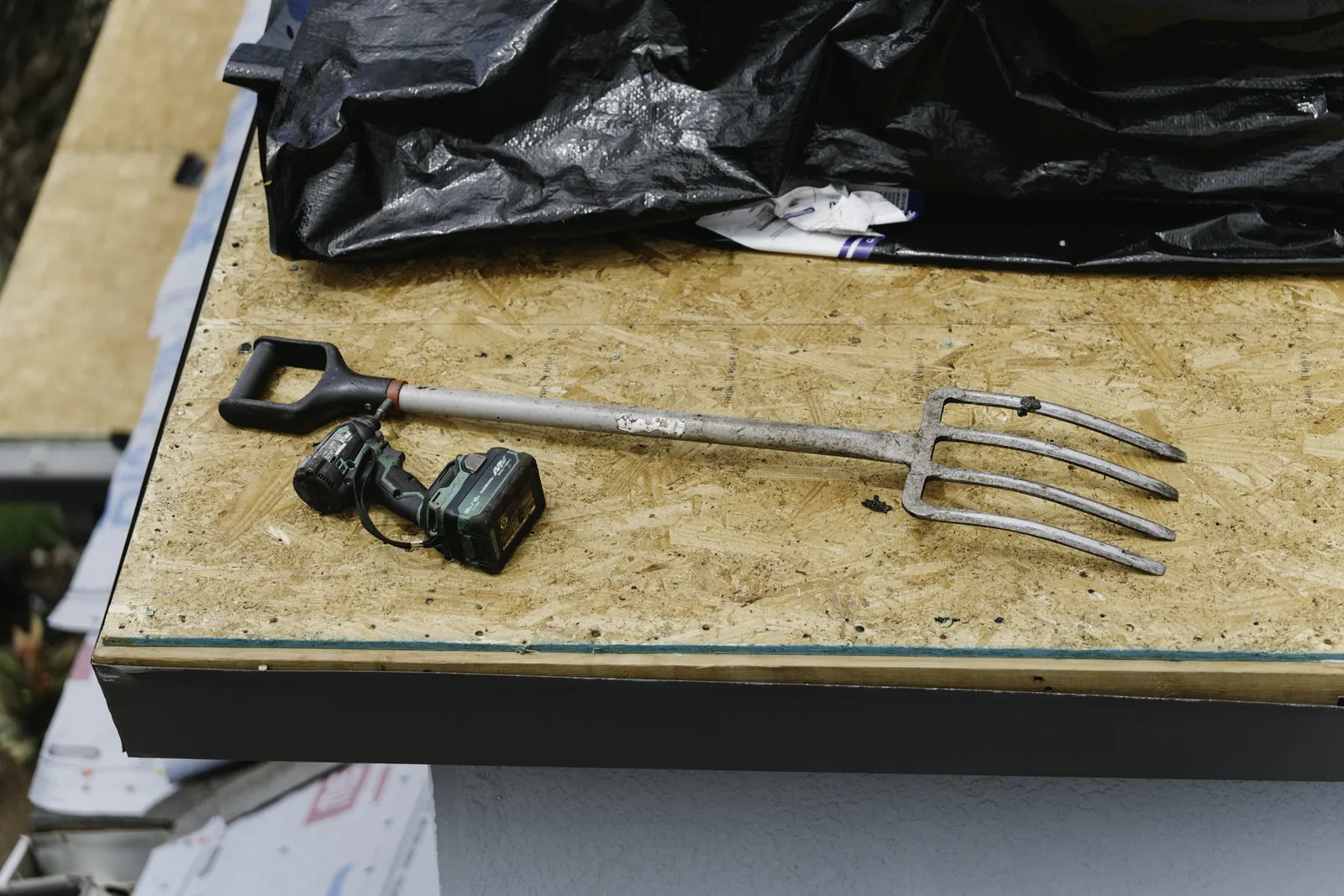
Residential Roofing
The best questions reveal scope, materials, deck procedures, schedule, cleanup, permits, payment terms, warranty documents, change-order process, and who will communicate during the work.
Read Questions to Ask a Roofing Contractor Before You Sign a Contract
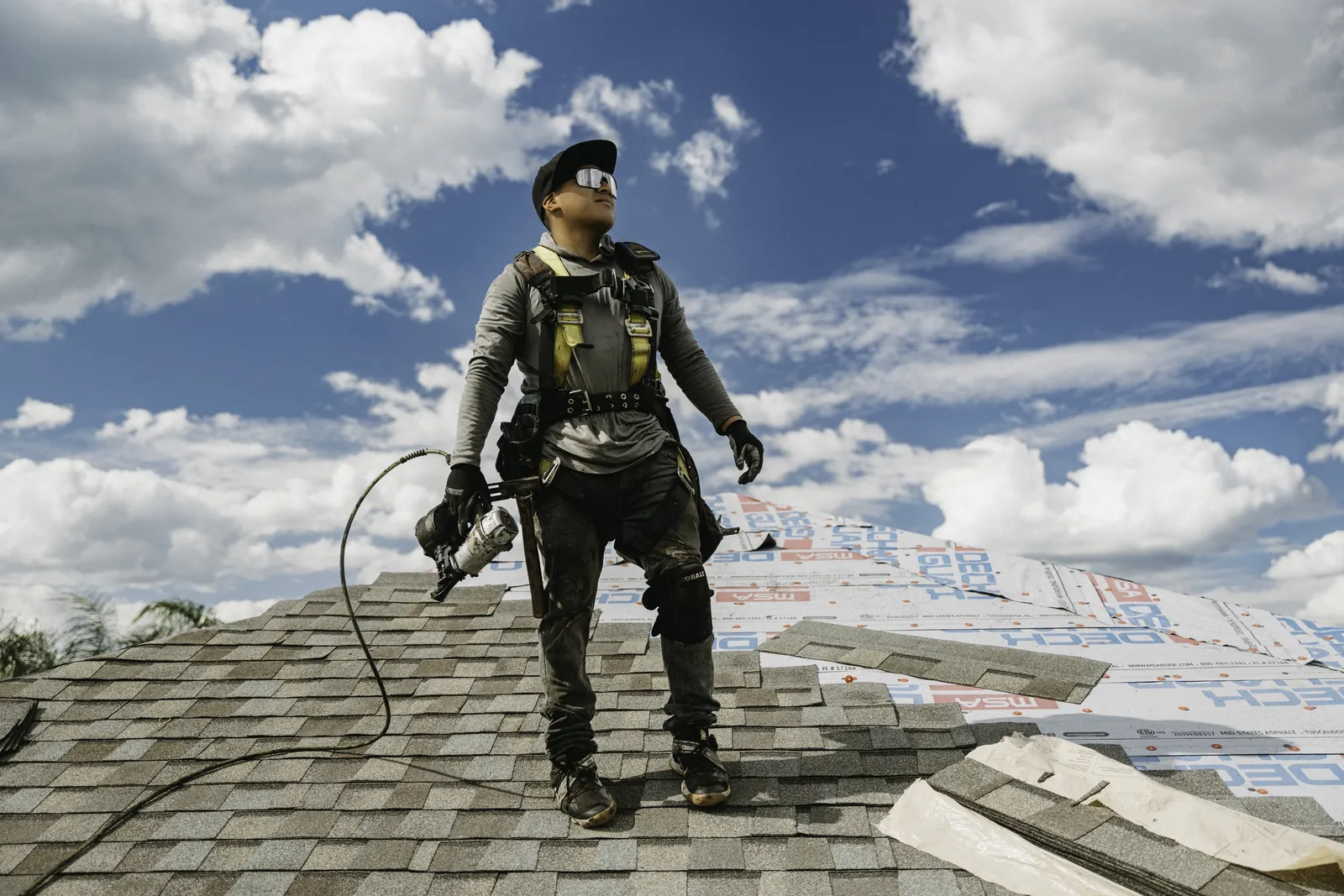
Storm Readiness
Wind-mitigation questions can start with good roof records, but insurer requirements, form acceptance, and any qualifying inspection belong to the insurer and an appropriately qualified professional.
Read Florida Wind-Mitigation Roof Inspections: What Homeowners Should Know
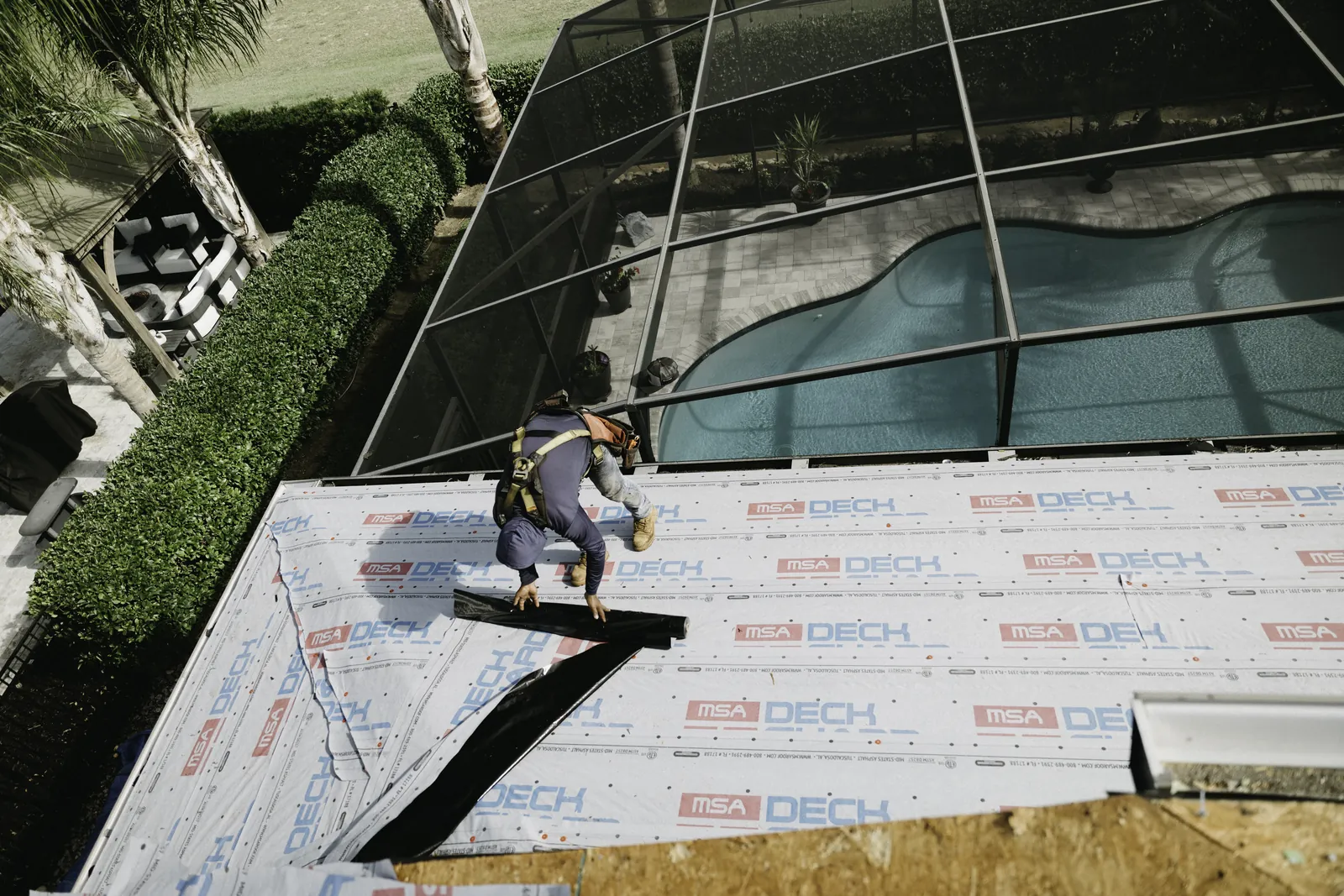
Storm Readiness
Spring storms are a useful deadline for clearing safe drainage paths, documenting the roof’s condition, addressing known concerns, and avoiding last-minute roof work in unstable weather.
Read How to Prepare Your Roof for Florida Spring Storms
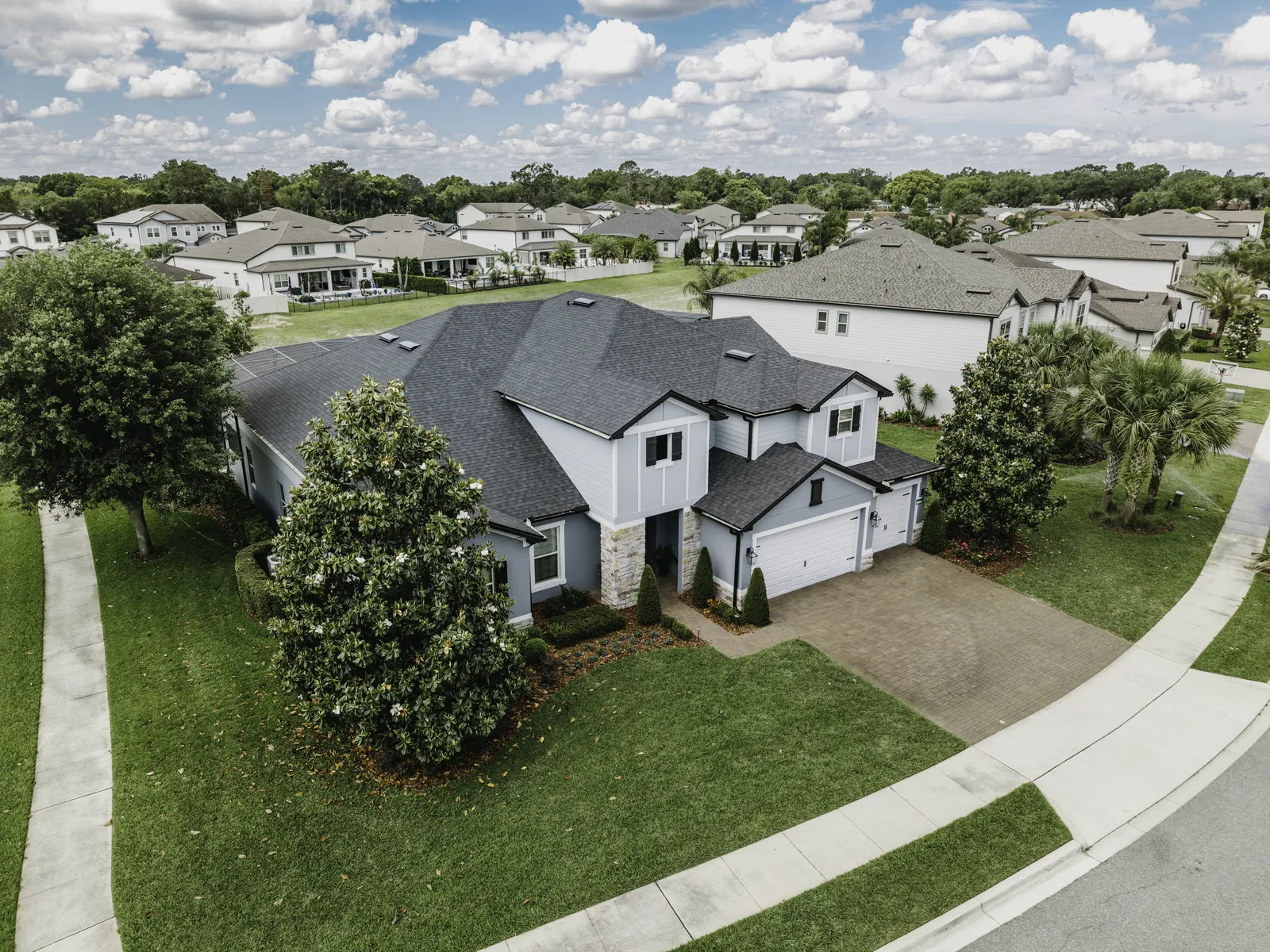
Residential Roofing
Florida’s cooler, often drier winter period can be a practical planning window for a roof inspection, maintenance decisions, and resolving concerns before seasonal rain becomes more frequent.
Read Why Winter Is a Smart Time for a Roof Inspection in Florida
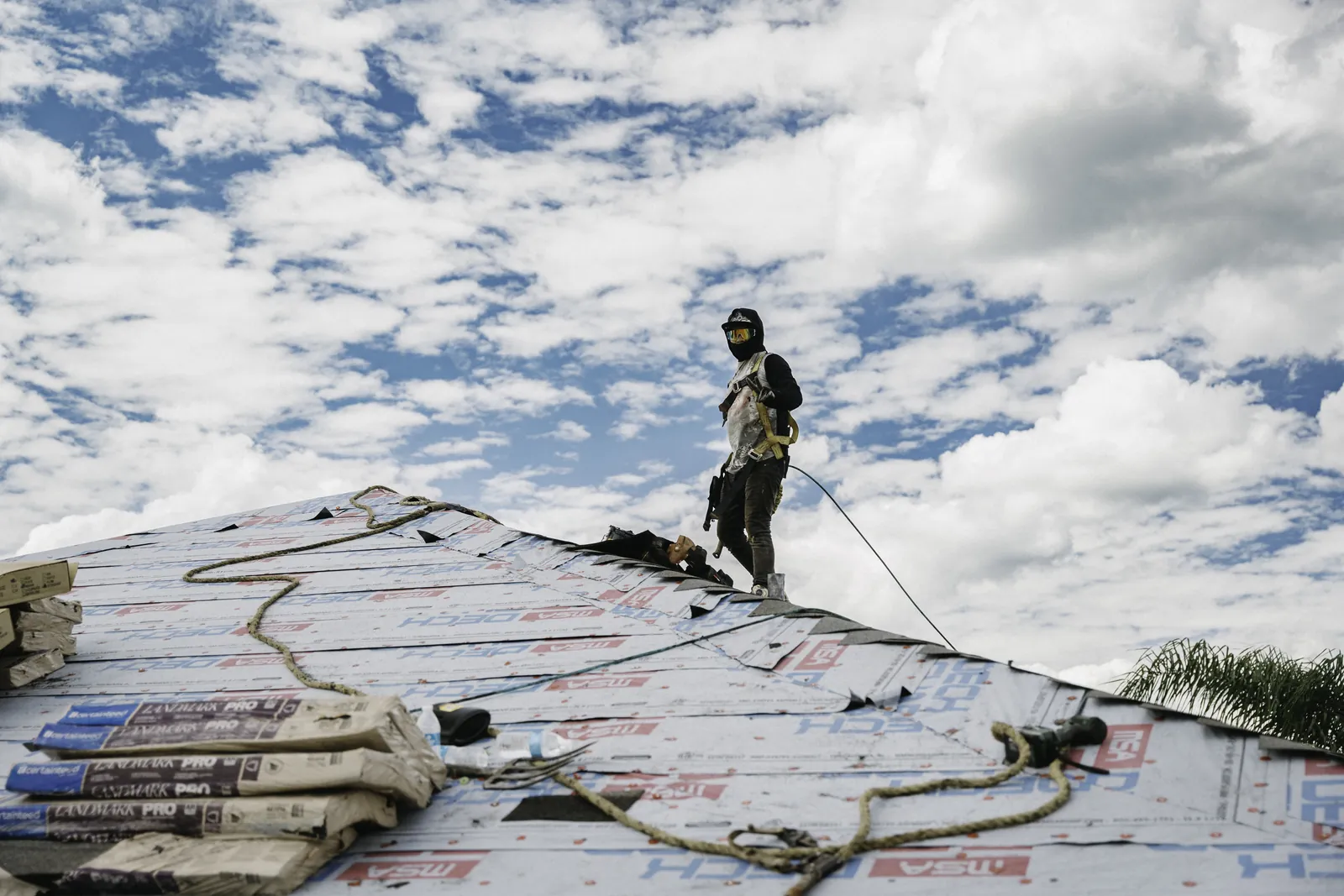
Materials & Warranties
Understanding the deck, underlayment, covering, flashing, ventilation, and roof edges helps homeowners ask better questions about a complete roofing system rather than a visible surface alone.
Read Roof Layers and Roofing Terms Explained for Homeowners
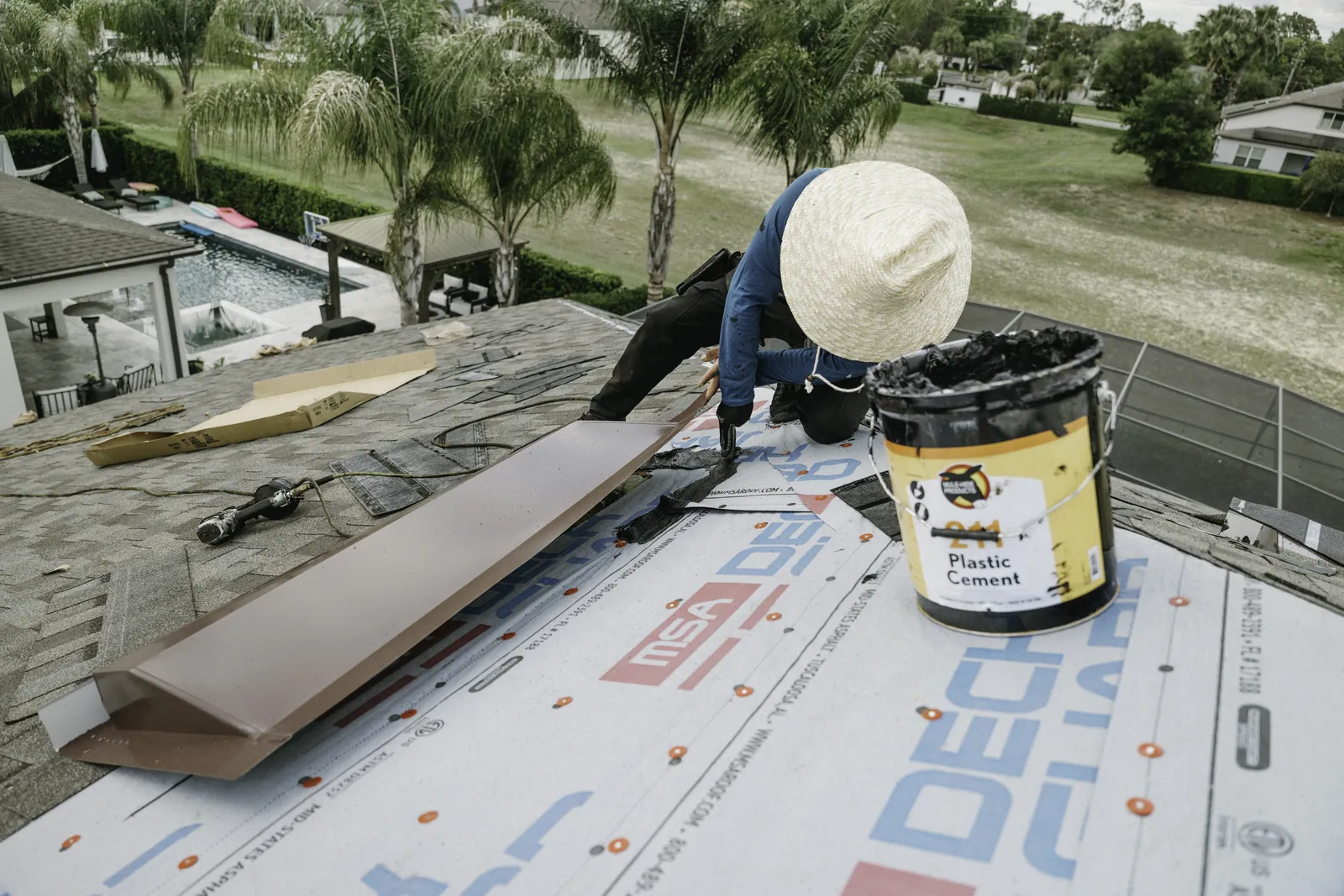
Roof Repair & Leaks
Metal-roof leaks commonly relate to penetrations, flashings, seams, fasteners, transitions, drainage, or movement; an interior stain still needs tracing rather than a guessed surface fix.
Read Common Causes of Metal Roof Leaks in Florida