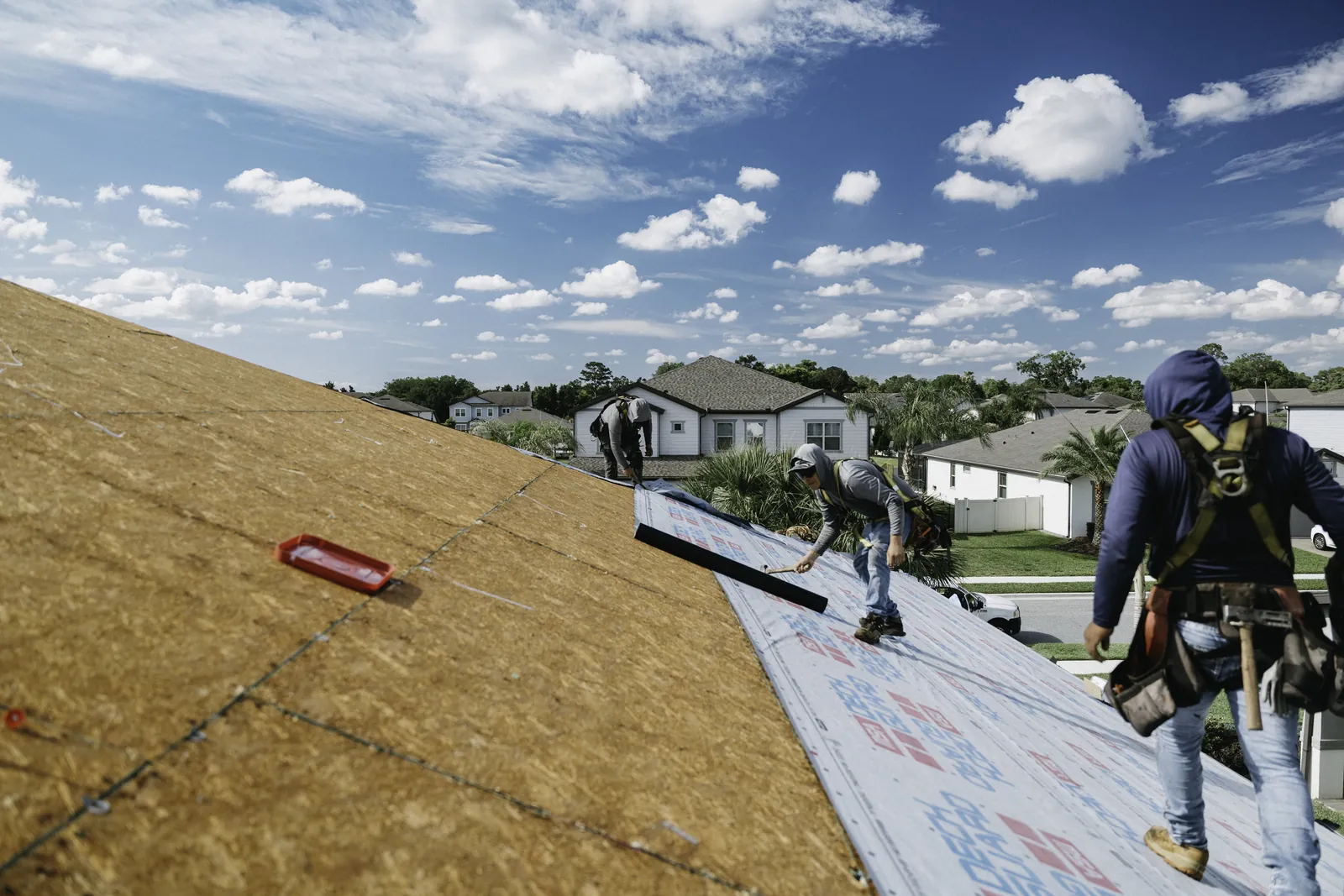
Commercial roofing decisions should begin with the building’s actual roof condition and operational needs, not a generic material recommendation. Florida property owners should assess active leaks, drainage, rooftop equipment, access, maintenance traffic, occupied spaces, repair history, and the condition of accessible roof areas. A repair may be appropriate for an isolated, documented issue; replacement planning may be warranted when conditions are broader or repeated repairs no longer make sense. The next step is a written assessment and scope that explains observations, uncertainties, recommended work, scheduling considerations, and how the work will affect occupants. Avoid assuming one system or solution fits every low-slope or commercial roof.
Document conditions and operations
Track leak locations, weather patterns, previous repairs, tenant reports, and interior areas affected. Also identify rooftop equipment, drainage routes, security rules, loading constraints, and times when noise or access would disrupt operations.
Separate urgent work from capital planning
An active leak may need prompt protective action while the owner evaluates longer-range repair or replacement options. Ask the assessor to distinguish observed conditions, areas needing further investigation, and the practical limits of a proposed repair.
Compare commercial scopes carefully
Review access, safety coordination, protection of occupied spaces, drainage details, penetrations, edge conditions, removal or preparation work, cleanup, and schedule. A responsible price requires a property-specific written scope. Compare like-for-like proposals instead of treating one total as proof that the work is equivalent. Identify who can authorize work, provide access, and communicate changes while the project is underway.
A practical next step
Before committing to work, request a written evaluation and compare it with the questions you still have. West Orange Roofing has served Central Florida since 1978 and can discuss commercial roofing options, a free roofing quote, and the warranty and financing information. Financing, when available for qualifying residential customers through Sunlight Financial, is subject to credit approval and changing program terms. For broader homeowner questions, visit the roofing FAQ.
Related reading: Roofing Warranty Explained: What Does Your Roof Warranty Actually Cover? | Hurricane Roof Checklist: What to Inspect Before a Storm.
Frequently asked questions
How do I know whether a commercial roof needs repair or replacement?
The decision should consider documented leaks, wet or damaged materials where accessible, drainage, repair history, roof condition, building operations, and the realistic purpose of the proposed work. An assessment should explain the basis for its recommendation.
What should a commercial roof inspection cover?
It should address accessible roof surfaces, drainage, edges, penetrations, rooftop equipment interfaces, visible repairs, interior leak reports, and operational access constraints as applicable.
Why do commercial roofing proposals differ?
They may include different preparation, drainage, detail work, access plans, protection measures, material assemblies, and assumptions about concealed conditions. Compare each scope item rather than only the total.