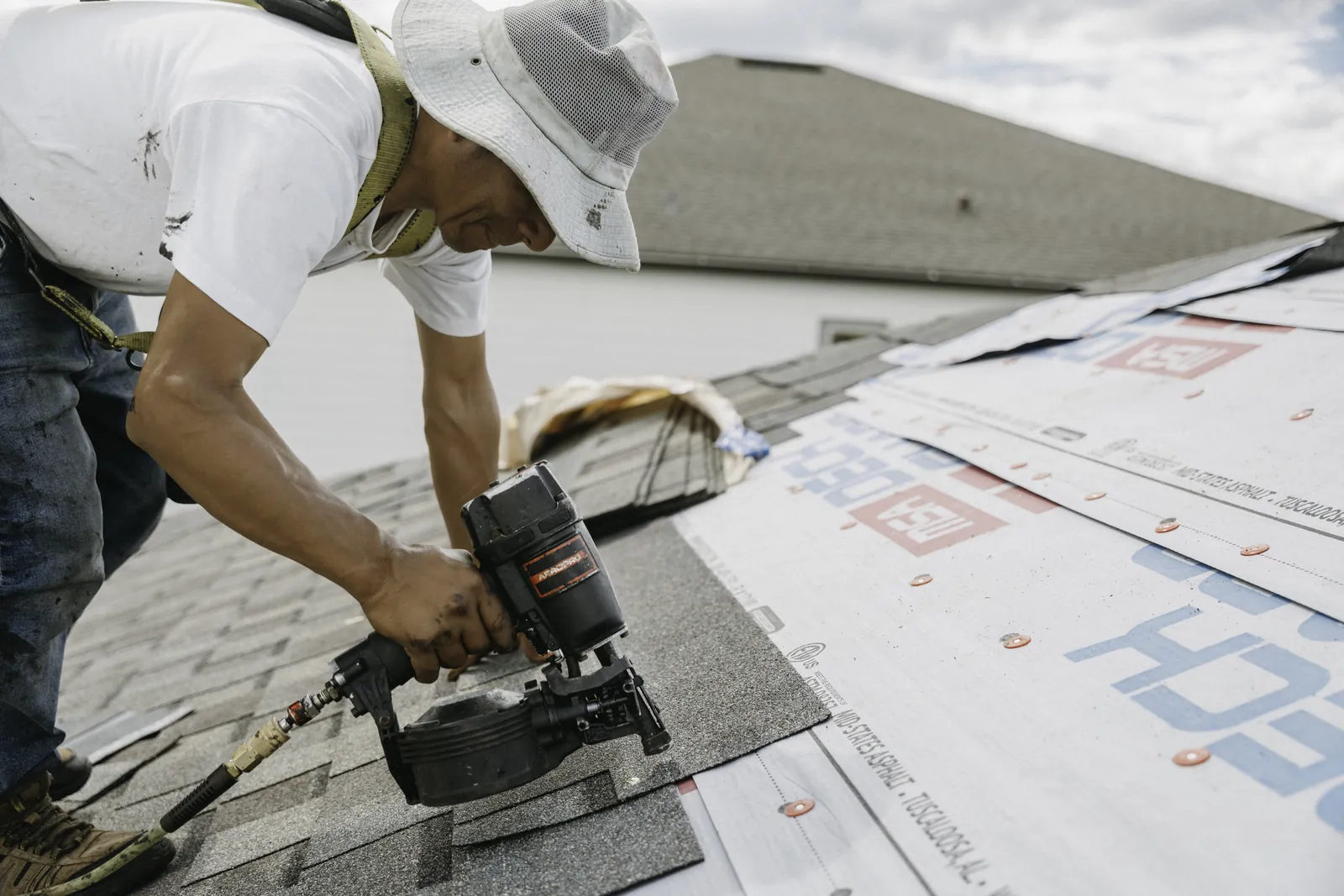
Wind damage may appear as shingles that are lifted, creased, missing, torn, or no longer lying flat; tiles that have shifted or cracked; loose flashing; exposed edges; or debris impacts. You might also find pieces of roofing in the yard, granules near downspouts, or a new interior stain after wind-driven rain. These signs do not by themselves establish the cause, age, or full extent of a problem. Photograph visible conditions from the ground, note when they were first noticed, and check accessible attic areas for moisture or daylight. Avoid walking the roof or pulling on loose materials. A professional assessment can examine the affected details and surrounding roof before recommending next steps.
Look for pattern changes
Wind often affects exposed edges, ridges, transitions, and areas around penetrations, but each roof responds differently. Compare roof slopes from the ground for irregular shingle lines, raised tabs, open seams, shifted tiles, or flashing that no longer sits flat. Photograph both the suspected condition and the wider roof area.
Separate observations from conclusions
A crease, missing tab, or loose edge may be important, yet it does not reveal the entire water-shedding condition. Existing wear, previous repairs, and debris can overlap with newer changes. Note the storm date, direction of apparent debris, and any new indoor moisture without declaring a cause yourself.
Avoid making it worse
Do not tug at materials, nail down a loose section, or apply sealant from an unsafe ladder. Keep people clear of fallen branches and downed lines. If water is entering, protect interior belongings when safe and request a timely roof assessment.
A practical next step
Before committing to work, request a written evaluation and compare it with the questions you still have. West Orange Roofing has served Central Florida since 1978 and can discuss residential roofing services, a free roofing quote, and the warranty and financing information. Financing, when available for qualifying residential customers through Sunlight Financial, is subject to credit approval and changing program terms. For broader homeowner questions, visit the roofing FAQ.
Related reading: Hail Damage vs. Normal Roof Wear: How Can You Tell the Difference? | Why Is My Roof Leaking Around a Vent, Chimney, or Skylight?.