
How to Prepare Your Roof for Spring Storm Season in Central Florida
In Central Florida, spring storms rarely arrive with much warning.
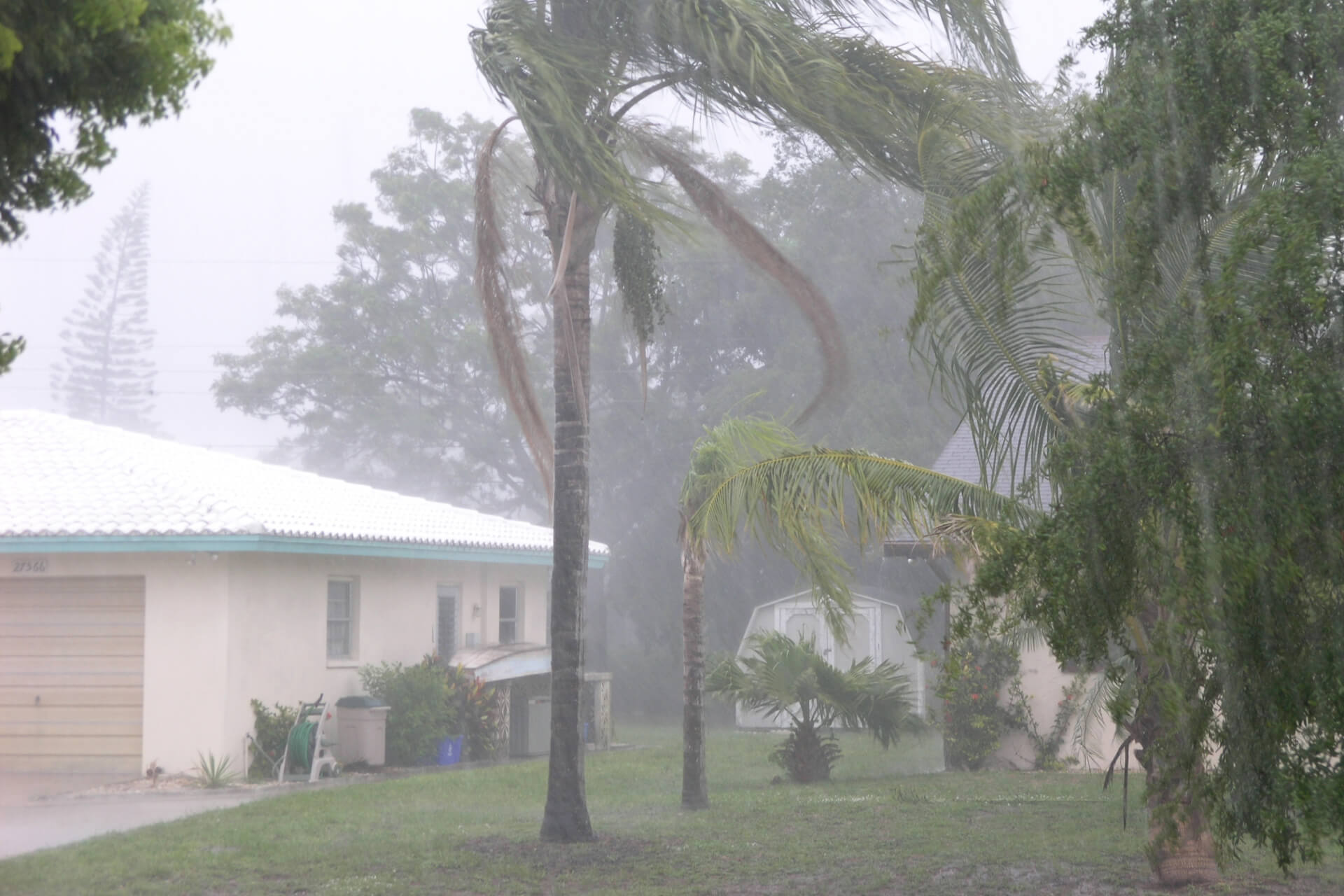
A calm afternoon in Winter Garden or Clermont can quickly turn into strong winds, heavy rain, and lightning within minutes. When that happens, your roof becomes the first line of defense protecting everything inside your home.
For many homeowners, storm damage doesn’t start with dramatic destruction. It often begins with something small — a loose shingle, worn flashing, or clogged gutters that allow water to pool.
Those small issues can go unnoticed for months. Then a strong storm hits, and suddenly there’s a water stain on the ceiling or moisture creeping into the attic.
That’s why March is one of the most important months for roof preparation in Central Florida. Taking a few proactive steps now can help prevent leaks, structural damage, and costly repairs once storm season ramps up.
Why Spring Storm Preparation Matters for Central Florida Roofs
Central Florida’s climate can be especially demanding on roofing systems. Intense UV exposure, high humidity, and frequent storms cause roofing materials to wear down faster here than in many other parts of the country.
By the time spring arrives, your roof has already endured months of winter rain, fluctuating temperatures, and debris buildup from nearby trees.
Preparing your roof before storm activity increases can help:
- Identify small roofing issues before storms expose them
- Reduce the risk of roof leaks during heavy rain.
- Extend the overall lifespan of your roofing system.
- Prevent emergency roof repairs.
For homeowners searching for a roof inspection in Central Florida or storm damage roof repair, preparation begins with understanding the current condition of your roof. Taking the time to evaluate its health can help identify small issues before spring storms have the chance to turn them into costly damage.
5 Steps to Prepare Your Roof for Spring Storm Season
1. Inspect Shingles for Damage or Aging
Shingles are designed to protect your home from wind-driven rain and harsh sunlight. Over time, Florida’s intense heat and frequent storms can cause shingles to deteriorate and lose their durability.
Look for signs such as:
- Missing shingles
- Curling or lifted edges
- Cracked or brittle surfaces
- Areas where protective granules have worn away
Even a single damaged shingle can allow water to work its way beneath the roofing system during a storm.
Homeowners searching for roof repair in Orlando, Winter Garden, or Clermont often discover the issue started with just a small section of aging shingles.
2. Check Flashing Around Roof Penetrations
Flashing protects the joints where your roof meets chimneys, vents, skylights, and walls. These areas are some of the most common entry points for water.
Over time, flashing can loosen, or sealant can deteriorate due to heat and rain.
Watch for:
- Rusted flashing
- Cracked or dried sealant
- Gaps forming around vents or roof edges
Repairing flashing early can prevent a slow leak that may take months to become visible inside your home.
3. Clear Gutters and Downspouts
Gutters play a critical role in protecting your roof during heavy rain. When gutters are clogged, water can back up beneath shingles and along roof edges.
Debris commonly found in gutters includes:
- Leaves and small branches
- Roof granules from aging shingles
- Pine needles and organic buildup
Before spring storms arrive, clearing your gutters ensures rainwater flows away from your roof and foundation instead of pooling along vulnerable areas.
4. Trim Trees Near Your Roof
Central Florida storms often bring strong wind gusts that can easily snap tree branches.
Branches hanging over your roof can scrape against shingles during windy conditions or break off and impact the roof surface.
Trimming nearby trees helps prevent:
- Impact damage from falling limbs
- Gradual wear from branch friction
- Debris accumulation in gutters and valleys
Many homeowners don’t realize how often storm damage begins with overhanging trees.
5. Schedule a Professional Roof Inspection
A visual check from the ground can help identify obvious issues, but many early signs of roof damage aren’t visible without a closer inspection. Problems like loose shingles, weakened flashing, or hidden moisture can easily go unnoticed without getting up on the roof.
A professional roof inspection in Central Florida can identify issues such as:
- Loose or lifted shingles
- Hidden flashing failures
- Soft spots caused by trapped moisture
- Early signs of roof leaks
- Storm damage that may qualify for insurance claims
A trained roofing professional can evaluate the overall condition of your roof and identify potential problem areas, recommending preventative maintenance before storms have a chance to cause damage.
What to Do If You Think Your Roof Has Storm Damage
After a severe storm moves through your neighborhood, it’s important to check your property for signs of damage.
Many homeowners first notice issues from the ground.
Look for:
- Shingles or roofing material in your yard
- Dents in metal roof vents or flashing
- Pieces of debris are resting on the roof.
- New water stains on ceilings or walls
- Dripping or moisture in the attic
If you notice any of these warning signs, avoid climbing onto the roof yourself. Storm damage can weaken roofing materials, making surfaces unstable and dangerous.
Instead, contact a local roofing professional to schedule a storm damage roof inspection.
Early detection can make the difference between a simple repair and a much larger roofing project.
Roof Repair vs. Roof Replacement: How to Know Which You Need
When storm damage occurs, one of the most common questions homeowners ask is whether the roof needs repair or full replacement.
In many cases, roof repair is enough if:
- Damage is limited to a small section
- The roof is relatively new.
- The underlying structure remains intact.
However, a roof replacement may be recommended when:
- Storm damage affects large portions of the roof
- The roof is nearing the end of its lifespan.
- Multiple repairs have already been performed.
- The underlayment or decking has been compromised.
A professional roof inspection can help determine the best solution while protecting the long-term integrity of your home.
Why Local Roofing Experience Matters in Central Florida
Storm patterns in Central Florida can vary widely between neighborhoods.
A storm that causes roof damage in Ocoee or Winter Garden may leave nearby areas untouched. That’s why working with a local roofing contractor matters.
Local roofing professionals understand:
- Florida building codes and storm requirements
- Roofing materials designed for high wind resistance
- Common storm damage patterns in Central Florida
- The insurance documentation process for storm claims
Experience with the region’s climate allows local roofers to identify problems quickly and recommend the most reliable solutions.
Schedule Your Roof Inspection Before Storm Season Intensifies
Spring storms can develop quickly across Central Florida. Once heavy rain and strong winds become frequent, roofing companies often experience a surge in emergency service calls.
Scheduling a roof inspection in Central Florida during March helps ensure your roof is ready before the busiest part of storm season begins.
At West Orange Roofing, we provide professional roof inspections, storm damage assessments, and honest guidance for homeowners throughout Winter Garden, Orlando, Clermont, Ocoee, Apopka, and Tavares.
If it’s been over a year since your last inspection, or if your roof has experienced recent storms, now is the time to take action.Contact West Orange Roofing today to schedule your roof inspection and make sure your home is prepared before the next Central Florida storm arrives.